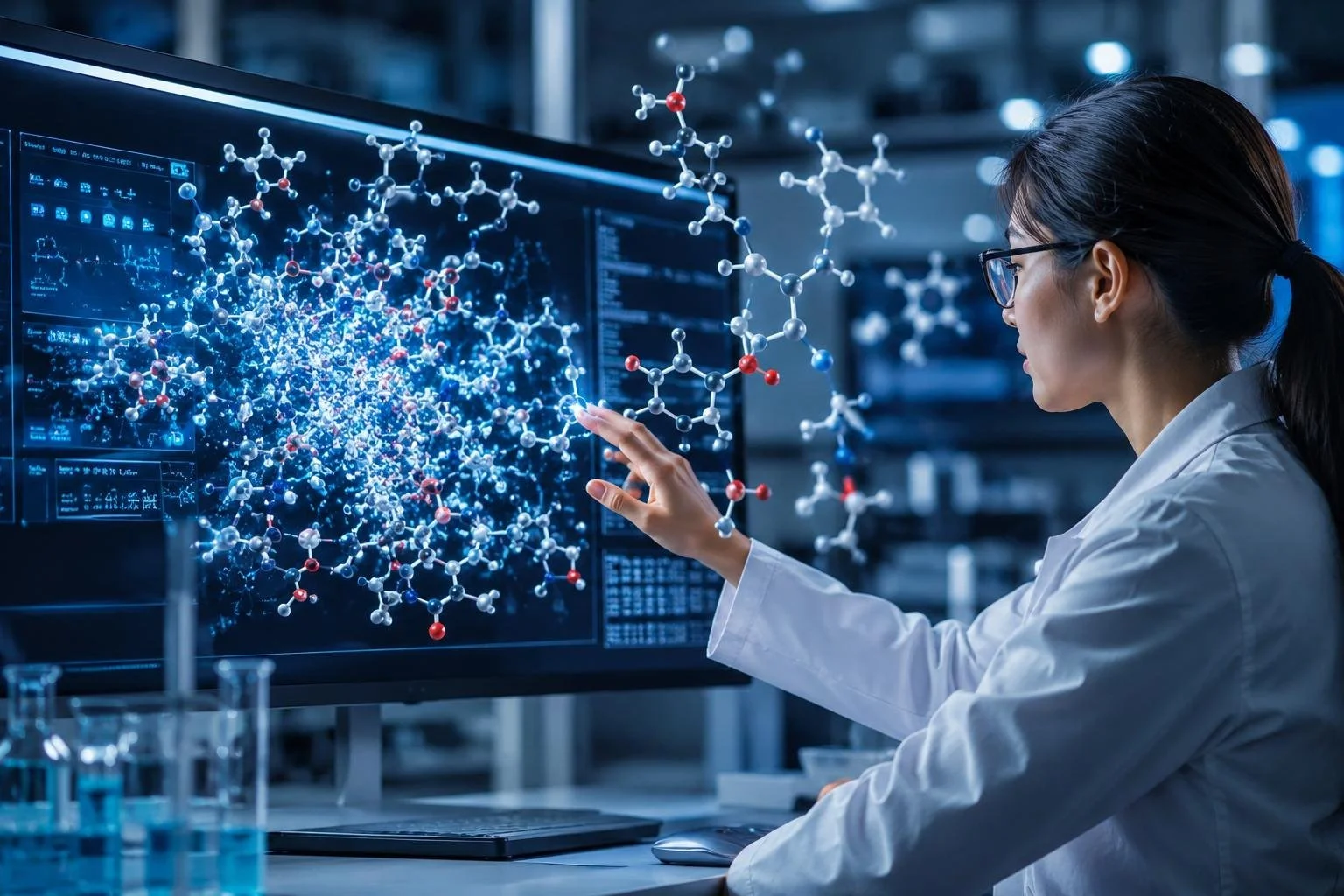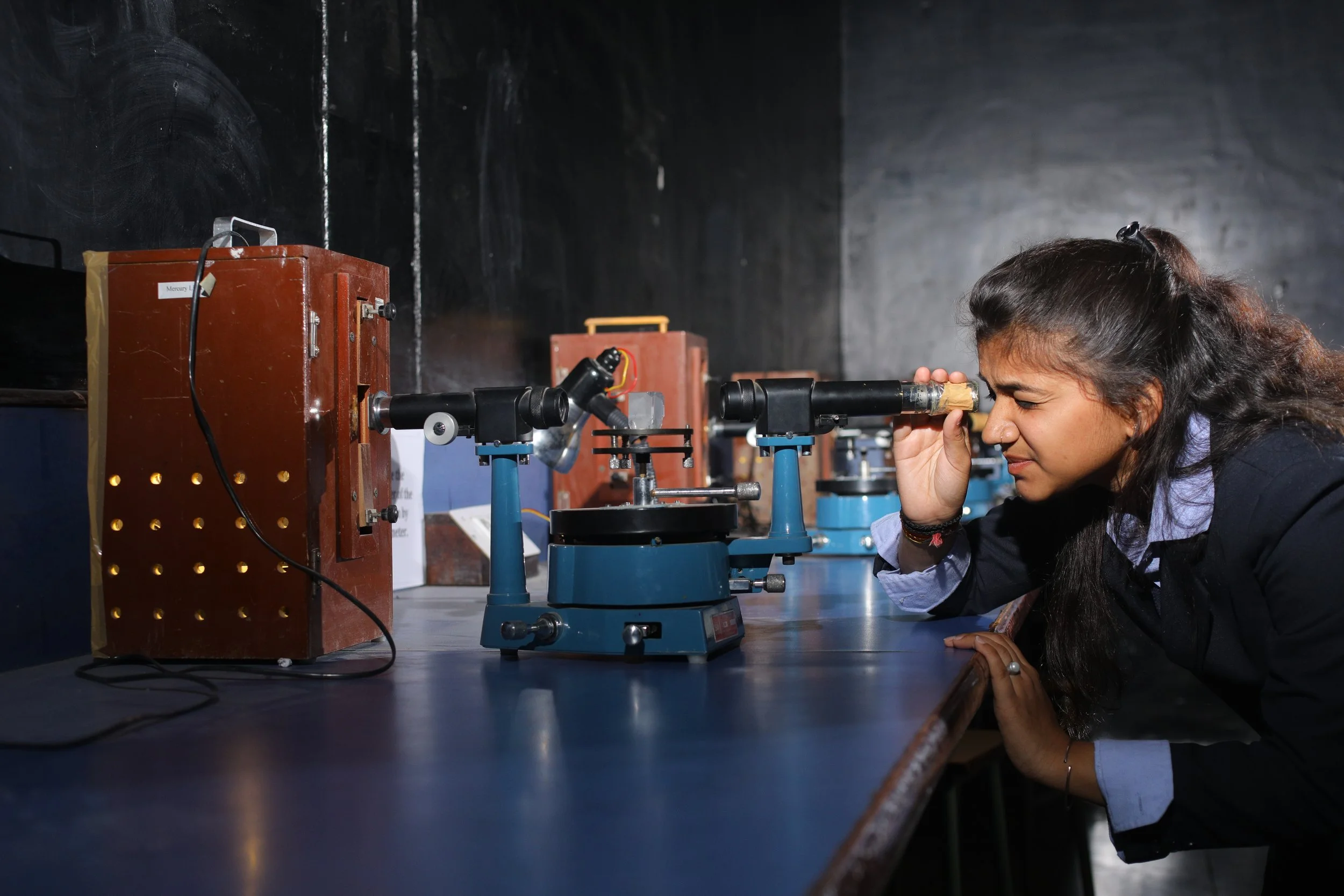
Imagine a world where scientists can study thousands of potential drug molecules using computers before selecting the most promising ones for laboratory testing. A world where researchers can use intelligent technology to identify patterns in complex medical data, predict possible drug interactions, and support the development of better medicines.
This is no longer just a futuristic idea. Artificial Intelligence (AI) is already changing how pharmaceutical research is conducted.
The pharmaceutical industry has always depended on scientific discovery, careful experimentation, and continuous innovation. Today, AI is introducing new possibilities by helping researchers analyse large datasets, understand biological processes, and make more informed decisions throughout drug development.
For students exploring pharmaceutical education, B.Pharm career opportunities, or Pharmacy colleges in Rajasthan, understanding these technological developments can provide valuable insights into the future of pharmacy.
At JIET Universe, the intersection of education, technology, and professional development provides a relevant starting point for exploring how emerging innovations are influencing healthcare careers.
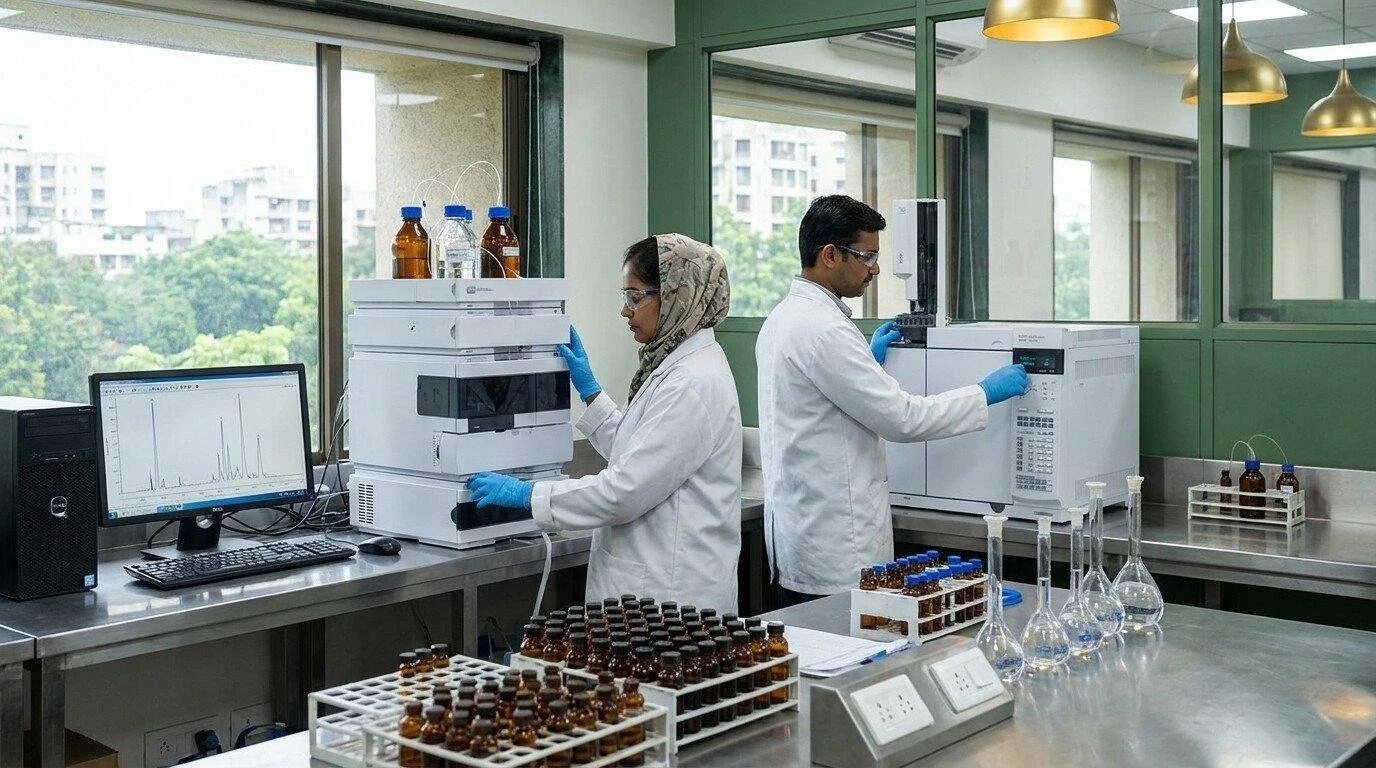
1. Analyze Understanding Artificial Intelligence in the Pharmaceutical Industry
Artificial Intelligence refers to computer-based systems capable of performing tasks such as identifying patterns, analysing information, making predictions, and supporting complex decisions.
In pharmaceutical research, AI helps scientists work with large amounts of chemical, biological, and clinical information.
Traditional drug development involves several stages, including identifying potential drug targets, discovering suitable molecules, laboratory testing, clinical trials, and regulatory evaluation.
Each stage requires careful scientific analysis.
AI can support these processes by finding relationships in data that may be difficult to detect using conventional methods alone.
For example, researchers can use machine learning to examine molecular properties and predict which compounds may deserve further investigation.
AI is increasingly being explored across the pharmaceutical product lifecycle, including research, clinical development, manufacturing, and safety monitoring.
FDA+1
The goal is not to replace pharmaceutical scientists. Instead, AI can help them make better use of data, investigate new possibilities, and focus their efforts on promising research directions.
2. How AI Is Changing Drug Discovery and Development
Drug discovery is one of the most challenging activities in pharmaceutical science.
Before a new medicine becomes available, researchers must investigate its possible biological effects, evaluate potential risks, and conduct extensive testing.
Many compounds studied during early research never become approved medicines.
This makes the process scientifically demanding, time-consuming, and expensive.
Artificial Intelligence offers several opportunities to improve early-stage research.
Identifying potential drug targets
Researchers study proteins, genes, and biological pathways associated with diseases. AI tools can help analyse biological datasets to identify patterns that may suggest new therapeutic targets.
Screening potential drug molecules
Scientists can use computational models to evaluate large collections of compounds and prioritise candidates for further investigation.
This can reduce the number of molecules requiring immediate laboratory screening, although experimental validation remains essential.
Predicting molecular properties
AI models may help estimate properties such as solubility, chemical stability, and possible toxicity.
These predictions allow researchers to make more informed decisions during early-stage development.
Supporting molecular design
Advanced computational approaches can suggest molecular structures with potentially useful properties.
However, a promising computer-generated molecule is only a starting point. Its actual performance must still be established through appropriate scientific testing.
AI makes the research process more data-driven, but it does not eliminate the need for laboratory experiments, clinical trials, or regulatory approval.
3. The Role of AI in Pharmaceutical Research and Innovation
Pharmaceutical innovation extends far beyond discovering new medicines.
Researchers also investigate better drug formulations, improved manufacturing techniques, and more effective ways of delivering medicines to patients.
AI can contribute to these activities by supporting data analysis and scientific decision-making.
For example, formulation scientists may study how different ingredients influence the stability, dissolution, or release characteristics of a medicine.
Machine learning models can identify relationships between formulation variables and measured performance.
Similarly, AI-assisted data analysis can support pharmaceutical researchers in studying experimental results and identifying possible areas for further investigation.
These applications are creating opportunities for multidisciplinary collaboration between pharmaceutical scientists, computer scientists, biotechnology researchers, and data analysts.
For students interested in pharmaceutical research careers, this highlights the growing value of combining scientific knowledge with digital and analytical skills.
4. Artificial Intelligence in Clinical Trials and Patient Safety
Clinical trials play a critical role in determining whether a medicine is sufficiently safe and effective for its intended use.
Researchers must carefully evaluate trial data, monitor participant safety, and follow established scientific and ethical requirements.
AI can support clinical research by helping analyse complex datasets, identify potential patterns, and assist with certain aspects of trial planning.
For example, AI-assisted systems may help researchers review anonymised medical information to identify potentially suitable participant groups, subject to strict privacy and ethical safeguards.
AI can also support pharmacovigilance, which involves monitoring and evaluating suspected adverse effects associated with medicines.
However, AI-generated predictions must be assessed by qualified professionals. Patient safety cannot depend entirely on automated systems.
In January 2026, the US Food and Drug Administration (FDA) and European Medicines Agency (EMA) released joint principles for responsible AI use in drug development. These emphasise human oversight, reliable data, appropriate evaluation, and lifecycle management.
GovDelivery+1
5. How AI Is Improving Pharmaceutical Manufacturing and Quality Control
Developing a medicine is only one part of the pharmaceutical process. Manufacturing medicines consistently while maintaining appropriate quality standards is equally important.
Pharmaceutical companies must monitor production conditions, test products, maintain records, and follow regulatory requirements.
AI-based technologies can support these activities through predictive analytics, process monitoring, and automated inspection systems.
For example, manufacturers may use intelligent monitoring systems to identify unusual equipment behaviour and detect changes in production conditions.
Machine learning can also help analyse historical manufacturing data to identify process trends.
These applications may contribute to more efficient production planning, improved operational decisions, and earlier identification of potential quality concerns.
However, AI tools used in pharmaceutical manufacturing still require appropriate validation, quality assurance, and human oversight.
For pharmacy students, understanding these applications can provide an introduction to the changing relationship between pharmaceutical science and industrial technology.
6. The Future of Pharmaceutical Education in India
As pharmaceutical technologies evolve, the knowledge and skills required of future pharmacy professionals are also changing.
Subjects such as pharmaceutics, pharmacology, medicinal chemistry, pharmaceutical analysis, and pharmaceutical biotechnology remain essential foundations.
However, data analysis, digital technologies, AI applications, and interdisciplinary research are becoming increasingly relevant.
An important development is the Pharmacy Council of India's revised B. Pharm curriculum for the 2026–27 academic year, which introduces AI-related and digital-technology topics alongside established pharmaceutical sciences.
Pharmacy Council of India+1
This development reflects the importance of preparing pharmacy graduates for technology-enabled professional environments.
Students interested in modern pharmaceutical education can benefit from developing abilities such as scientific reasoning, research methodology, statistical analysis, and responsible use of emerging technologies.
The future of pharmacy education will increasingly depend on the ability to connect scientific fundamentals with practical applications and technological developments.
7. Pharmacy Colleges in Rajasthan: Why Industry-Oriented Learning Matters
For students searching for Pharmacy colleges in Rajasthan, selecting an appropriate institution involves more than reviewing the course structure.
Pharmacy is a scientific and professionally regulated discipline that requires a sound understanding of medicines, laboratory practices, pharmaceutical processes, and patient safety.
Students exploring pharmacy education should consider the quality of academic instruction, laboratory facilities, practical learning opportunities, faculty guidance, and relevant institutional approvals.
Exposure to current developments in pharmaceutical technology is also valuable.
For example, understanding how AI supports drug discovery, pharmaceutical manufacturing, and research can help students appreciate the direction in which the industry is evolving.
A strong educational foundation, supported by practical learning and scientific curiosity, can prepare students to pursue different opportunities within the pharmaceutical sector.
Students considering pharmacy programmes in Jodhpur or elsewhere in Rajasthan should also verify the current recognition and approval status of the specific programme before admission.
8. B.Pharm Career Opportunities in the Age of Artificial Intelligence
A Bachelor of Pharmacy (B.Pharm) degree can provide a foundation for careers across pharmaceutical manufacturing, quality assurance, research support, regulatory affairs, and other relevant areas, depending on qualifications and eligibility.
AI is influencing several of these professional fields.
| Career Area | Relevance of AI and Digital Technology |
|---|---|
| Pharmaceutical Research & Development | Molecular-data analysis and research decision support |
| Quality Assurance & Quality Control | Data monitoring, trend analysis, and automated inspection |
| Pharmaceutical Manufacturing | Process monitoring, production analytics, and predictive maintenance |
| Clinical Research | Clinical data analysis and trial-related research support |
| Pharmacovigilance | Safety-data review and identification of possible adverse-event patterns |
| Regulatory Affairs | Document analysis, information management, and data verification |
| Pharmaceutical Data Analytics | Analysis of research, manufacturing, and healthcare datasets |
| Higher Education & Research | Interdisciplinary research involving pharmacy, biotechnology, and AI |
Not all these positions are entry-level roles, and AI-specific positions may require additional training in programming, statistics, research, or postgraduate study.
For students exploring B.Pharm career opportunities, developing a combination of pharmaceutical knowledge and relevant technical skills may open additional career pathways.
9. Skills Pharmacy Students Should Develop for Future Careers
The pharmaceutical industry values professionals who understand scientific principles and can apply them responsibly.
As AI becomes more widely used in research and healthcare, students may benefit from developing complementary skills.
These include scientific data interpretation, basic statistics, research methodology, digital literacy, critical thinking, and professional communication.
Students interested in computational research may also explore introductory programming, particularly Python, and the fundamentals of machine learning.
Equally important is understanding the limitations of AI-generated information.
A computer prediction is not automatically a scientifically established fact. Students must learn how to evaluate evidence, recognise uncertainty, and follow ethical research practices.
By developing these skills alongside their pharmaceutical education, students can better prepare for technology-enabled professional environments.
10. Pharmaceutical Education and Emerging Technologies at JIET Universe
The future of healthcare will require professionals who understand both scientific principles and technological change.
At JIET Universe, Jodhpur, the broader discussion around education, innovation, and professional development offers an opportunity to highlight the significance of emerging technologies for students considering pharmaceutical and healthcare careers.
Artificial Intelligence is an important example of how traditional scientific disciplines are becoming increasingly connected with data-driven tools and interdisciplinary research.
For students interested in pharmaceutical sciences, understanding these developments can encourage greater awareness of research opportunities, professional skill requirements, and future industry trends.
As pharmacy education continues to evolve, a strong foundation in pharmaceutical science, combined with analytical thinking and practical experience, will remain important.
Explore institutional and academic information through the
11. Can Artificial Intelligence Replace Pharmacists and Pharmaceutical Scientists?
One question frequently raised about AI is whether it will eventually replace professionals working in the pharmaceutical industry.
AI can perform certain analytical and repetitive tasks efficiently, but pharmaceutical practice requires responsibilities that extend beyond data processing.
Scientists must interpret experimental results, make research decisions, follow ethical standards, and evaluate evidence.
Pharmacists and other qualified healthcare professionals also play important roles in medicine safety, professional communication, and patient care.
AI systems can support these responsibilities, but they do not eliminate the importance of professional expertise.
In fact, researchers continue to emphasise that demonstrating improvements in real-world drug development outcomes remains challenging. A 2026 review in Nature Reviews Drug Discovery noted that strong computational performance has not yet consistently translated into clear clinical benefits.
Nature
The future is therefore better understood as one in which qualified professionals increasingly work with AI-assisted technologies, rather than simply being replaced by them.
Conclusion: A New Era of Pharmaceutical Research and Education
Artificial Intelligence is introducing significant changes across pharmaceutical research, drug discovery, clinical development, and manufacturing.
From helping researchers identify promising compounds to supporting quality monitoring and data analysis, AI offers new tools for addressing complex scientific challenges.
However, the success of these technologies depends on reliable evidence, qualified professionals, responsible implementation, and patient safety.
For students interested in pharmaceutical education, B.Pharm career opportunities, and Pharmacy colleges in Rajasthan, understanding AI can provide useful insight into the skills and knowledge that may shape future pharmaceutical careers.
At JIET Universe, exploring the connection between scientific learning and emerging technologies can contribute to broader conversations about education, innovation, and professional growth.
The future of the pharmaceutical industry will not depend on technology alone. It will depend on knowledgeable professionals who know how to use that technology responsibly to advance research, improve medicines, and support better healthcare.