Web Security and Application Security: Differences, Importance & Career Scope
The digital world has become an essential part of almost every industry. From online banking and e-commerce platforms to healthcare applications, educational portals, social media, and cloud-based business solutions, organizations depend heavily on websites and software applications. As this dependence increases, protecting digital platforms from cyber threats has become more important than ever.
Two terms frequently used in cybersecurity are Web Security and Application Security. Although they are closely connected, they are not exactly the same. Web security primarily focuses on protecting websites, web applications, browsers, servers, and web-based communication, while application security takes a broader approach to protecting software applications throughout their lifecycle.

For students planning a career in cybersecurity, understanding the difference between web security and application security can help them identify the right skills, specialization, and career opportunities.
What is Web Security?
Web Security refers to the technologies, practices, and security measures used to protect websites, web applications, web servers, and users from online threats.
Whenever users log into an online shopping website, access internet banking, submit a college admission form, or use a web-based application, information travels between their device and different online systems. Web security aims to protect these interactions and prevent unauthorized access, manipulation, or exposure of information.
OWASP describes web application security testing as the process of evaluating a web application for weaknesses, technical flaws, and vulnerabilities and assessing the effectiveness of security controls.
Some major areas covered under web security include:
Secure authentication and login systems
Website and server security
Secure communication between browsers and servers
Access control
Session management
Data protection
Input validation
API security
Security configuration
Monitoring and vulnerability assessment
Modern web security also addresses areas such as cloud-based services, APIs, authorization, authentication, cryptography, business logic, and client-side technologies.
What is Application Security?
Application Security, commonly known as AppSec, is a broader cybersecurity discipline concerned with making software applications secure throughout their development and operation.
Application security is not restricted only to websites. It can include web applications, mobile applications, desktop software, enterprise applications, APIs, cloud-based applications, and other software systems.
The basic objective is simple: security should become part of the application rather than something added only after the software has been completed.
A strong application security approach may therefore consider security during:
Planning → Designing → Coding → Testing → Deployment → Maintenance
OWASP's Software Assurance Maturity Model identifies governance, design, implementation, verification, and operations as important functions in software security.
Application security generally focuses on areas such as secure software design, authentication, authorization, secure coding, data protection, vulnerability management, security testing, API protection, configuration, logging, and continuous monitoring.
Why Is Web Security Important?
Businesses increasingly interact with customers through websites and online platforms. These systems may process personal information, login credentials, financial details, business records, and other sensitive information.
A vulnerable website can affect customers as well as the organization operating it. Security problems may result in data exposure, disruption of digital services, financial losses, reputational damage, or loss of customer trust.
Web security therefore helps organizations maintain three fundamental security principles:
Confidentiality – information should be accessible only to authorized users.
Integrity – information should remain accurate and protected from unauthorized changes.
Availability – systems and information should remain available when legitimate users need them.
These principles form the widely recognized CIA Triad, one of the foundations of information and application security.
Why Is Application Security Important?
Traditional software development often treated security as something checked near the end of development. Modern application security encourages organizations to think about security throughout the software development lifecycle.
Finding and reducing security risks earlier can help organizations create stronger applications and reduce unnecessary security problems later.
OWASP's modern application-security guidance recommends using a risk-based approach, developing security standards, assessing applications and APIs, and integrating appropriate security verification into development practices.
Application security is especially important because businesses today use interconnected applications, APIs, cloud services, mobile platforms, third-party software components, and large amounts of digital data.
Common Areas Students Learn in Web and Application Security
Students interested in cybersecurity courses should develop strong fundamentals before moving toward specialized security domains.
Important learning areas include:
Computer Networks
Operating Systems
Programming
Database Management Systems
Web Technologies
Cloud Computing
Information Security
Network Security
Secure Software Development
Cybersecurity Fundamentals
Authentication and Access Control
Data Privacy and Protection
Security Testing
Digital Forensics
API Security
Cryptography
Ethical and responsible cybersecurity practices
Industry resources such as the OWASP Web Security Testing Guide and OWASP Application Security Verification Standard (ASVS) are also valuable educational frameworks. ASVS covers areas including architecture, authentication, session management, access control, validation, cryptography, data protection, APIs, business logic, and configuration.
Web Security and Application Security Career Scope
The rapid expansion of digital services has created career opportunities for professionals capable of protecting software, networks, cloud infrastructure, and organizational information.
Students developing skills in web and application security can explore career paths such as:
Cybersecurity Analyst
Cybersecurity analysts help organizations identify security risks, monitor systems, evaluate threats, and support defensive cybersecurity measures.
Application Security Engineer
Application Security Engineers work with developers and security teams to identify software security risks and help integrate security practices into the development process.
Web Security Analyst
Web Security Analysts focus primarily on identifying and reducing security weaknesses associated with websites and web applications.
Security Engineer
Security Engineers help design, implement, and maintain security controls for organizational technology infrastructure and applications.
Security Operations Center Analyst
A SOC Analyst monitors security events and helps organizations detect and respond to potential cybersecurity incidents.
Cloud Security Professional
As organizations move infrastructure and applications to cloud platforms, professionals with knowledge of cloud and security are becoming increasingly important.
Digital Forensics Professional
Digital forensics professionals examine digital evidence and help organizations understand cybersecurity incidents.
Cybersecurity Consultant
Cybersecurity consultants assess organizational security requirements and recommend appropriate security strategies, policies, and controls.
With professional experience and advanced expertise, cybersecurity professionals may eventually progress toward positions such as Security Architect, Cybersecurity Manager, Security Consultant, Application Security Lead, and Chief Information Security Officer (CISO).
Skills Required for a Successful Cybersecurity Career
A cybersecurity career requires much more than learning individual security tools.
Students should develop a combination of technical and professional abilities, including:
Programming Skills: Understanding programming helps security professionals understand how software works and why vulnerabilities may arise.
Networking Knowledge: Concepts including networks, protocols, servers, and communication architectures form an important cybersecurity foundation.
Operating System Knowledge: Students should understand how commonly used operating systems manage processes, users, files, permissions, and applications.
Problem-Solving Ability: Cybersecurity professionals regularly investigate complex technical situations and must approach them logically.
Analytical Thinking: Security professionals need to distinguish normal system behaviour from potential security problems.
Continuous Learning: Cybersecurity changes rapidly. Professionals must continuously learn about technologies, emerging risks, standards, and defensive practices.
Communication Skills: Security professionals frequently communicate technical risks to developers, managers, customers, and leadership teams.
How to Start a Career in Web and Application Security
Students interested in cybersecurity can begin by developing strong computer science fundamentals and gradually moving toward specialization.
A practical learning journey may look like:
Computer Fundamentals → Programming → Networks → Operating Systems → Web Technologies → Cybersecurity Fundamentals → Application Security → Cloud & Advanced Security
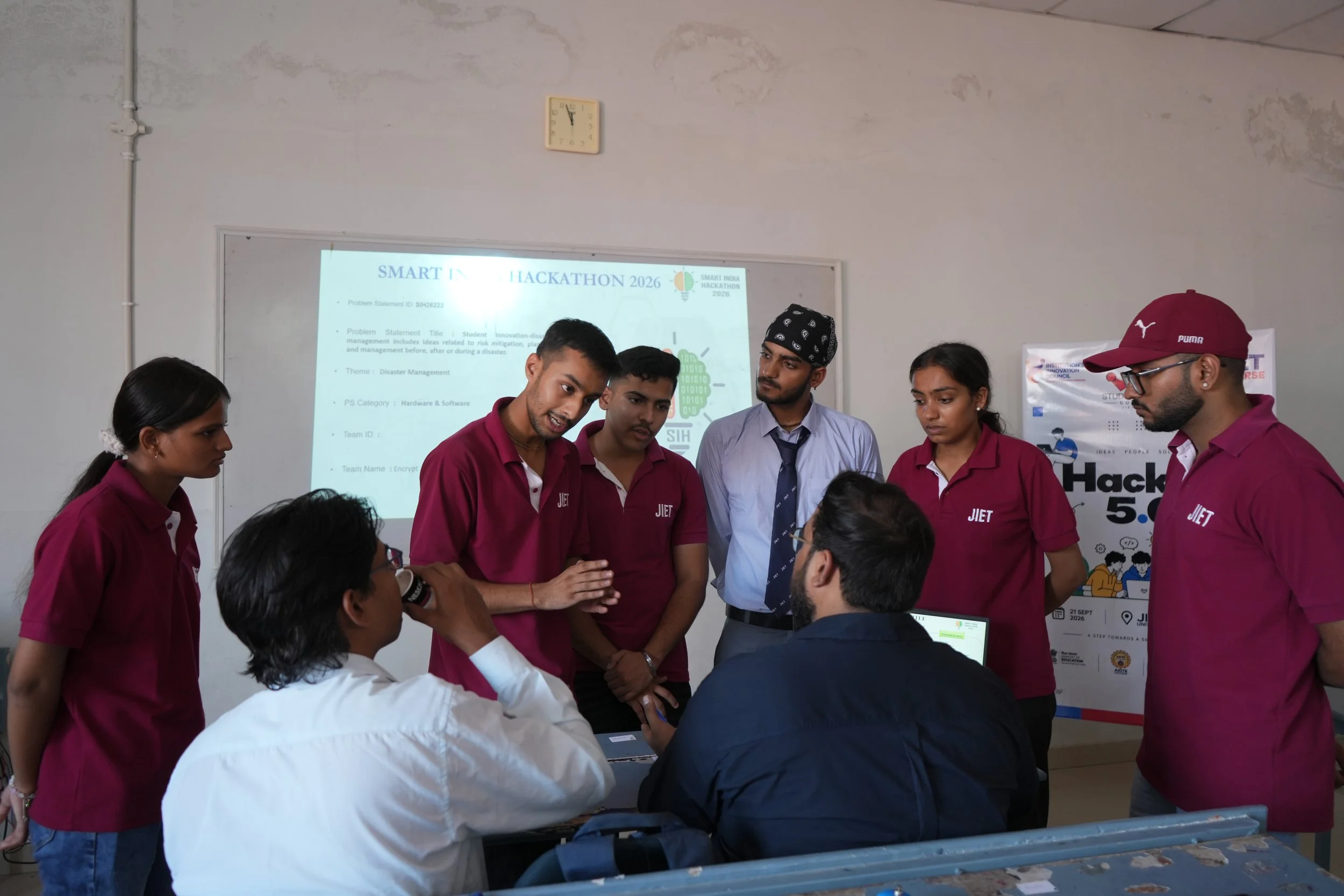
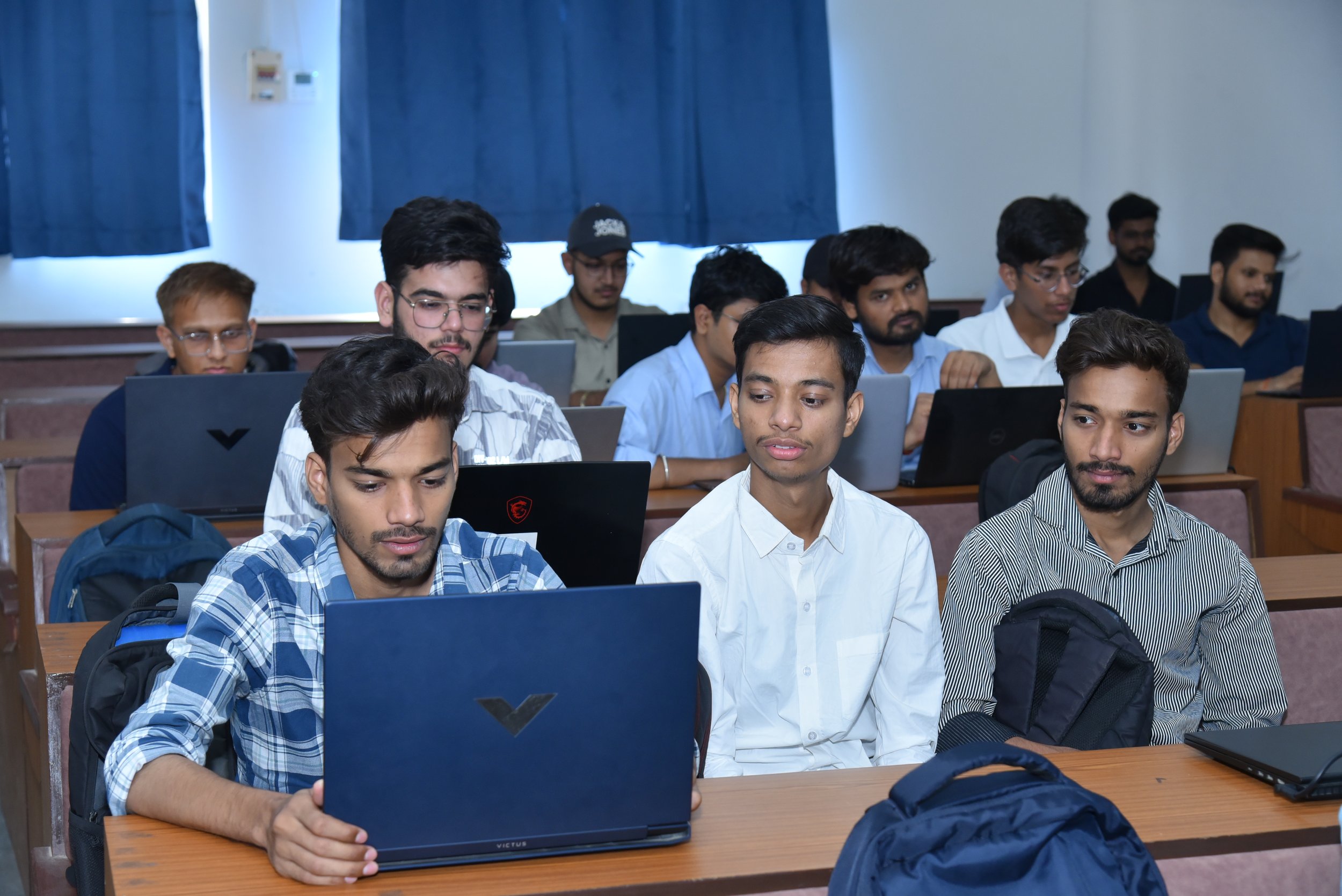
Students should also participate in academic projects, authorized cybersecurity labs, hackathons, coding activities, internships, workshops, and security awareness programmes. Such experiences allow students to connect theoretical concepts with real-world applications while learning responsible and ethical cybersecurity practices.
Why Choose JIET Universe for a Career in Cybersecurity?
Students interested in cybersecurity should choose an institution that combines academic fundamentals with practical learning and industry exposure.
JIET Universe, Jodhpur, provides technology-focused programmes designed to develop technical, analytical, problem-solving, and industry-relevant skills.
JIET Universe offers Computer Science and Engineering, Artificial Intelligence & Machine Learning, Data Science and Cyber Security among its engineering programmes. It also offers programmes such as BCA and MCA, creating multiple academic pathways for students interested in computing and technology careers.
The B.Tech Cyber Security programme at JIET Universe emphasizes hands-on cybersecurity learning and industry-oriented skill development. Official programme information highlights specialized cybersecurity labs, industry collaboration, live projects, internships, workshops, technical events, guest lectures, multidisciplinary learning, and practical training.
Students therefore receive opportunities to understand cybersecurity not merely as a theoretical subject but as a practical professional discipline.
Practical and Project-Based Learning
Cybersecurity is best understood through application. JIET Universe emphasizes hands-on training, projects, workshops, technical activities, and practical learning to help students connect classroom knowledge with real technology challenges.
Industry-Oriented Curriculum
Technology changes quickly, which makes industry relevance particularly important. JIET's cybersecurity curriculum emphasizes skill-based, industry-oriented courses and exposure to modern technologies.
Industry Exposure and Internships
Internships and industry interaction help students understand professional working environments. JIET's Cyber Security programme highlights industry collaboration, a six-month industry internship, live projects, and opportunities for on-the-job learning.
Innovation and Technical Activities
Technical clubs, hackathons, workshops, live projects, and innovation-oriented activities provide additional opportunities for students to develop problem-solving capabilities. JIET also highlights project-based and experiential learning across its computer-application programmes.
Training and Placement Support
Career development requires technical skills as well as communication, aptitude, interview preparation, and industry awareness. JIET Universe's Training & Placement ecosystem focuses on understanding industry requirements and preparing students for employment opportunities.
For students searching for a cybersecurity course in Jodhpur, B.Tech Cyber Security in Rajasthan, or technology-oriented programmes that combine practical learning with industry exposure, JIET Universe provides a pathway to explore careers in cybersecurity and related emerging technologies.
Web Security or Application Security: Which Career Should You Choose?
There is no need for beginners to choose immediately.
Students who enjoy websites, web technologies, APIs, browsers, and server-side technologies may find Web Security particularly interesting.
Students who enjoy programming, software architecture, secure coding, software development, cloud applications, and DevSecOps may prefer Application Security.
The two areas overlap significantly, so learning web security can also provide an excellent foundation for progressing into application security.
The most important goal should be to develop strong fundamentals first and then gradually specialize according to interests and career objectives.
Conclusion
Web Security and Application Security play vital roles in protecting today's increasingly connected digital environment. Although web security mainly deals with websites and web-based technologies, application security takes a broader view by protecting software throughout its lifecycle.
For students, both domains provide exciting opportunities to build careers in cybersecurity, application security, cloud security, security engineering, digital forensics, and other technology areas.
A successful cybersecurity professional needs more than theoretical knowledge. Programming ability, networking concepts, practical exposure, analytical thinking, continuous learning, ethical responsibility, and real-world projects are equally important.
With its Cyber Security, CSE, BCA, MCA and emerging-technology programmes, practical learning environment, industry-oriented curriculum, specialized cybersecurity facilities, internships, technical activities, and career support, JIET Universe, Jodhpur provides students with opportunities to develop the skills required for the evolving digital economy.
As businesses continue adopting digital technologies, professionals who understand how to build and protect secure applications will remain an essential part of the technology ecosystem