Electronics & Communication Engineering in 2026: Career Scope, Jobs & Future Opportunities
Electronics & Communication Engineering (ECE) continues to be one of the most dynamic branches of engineering in 2026. From smartphones and semiconductor chips to electric vehicles, satellites, robotics, Internet of Things (IoT) devices, and next-generation communication networks, electronics and communication technologies form the backbone of the modern digital world.
For students considering a B.Tech in Electronics and Communication Engineering, the field offers opportunities across both traditional core engineering industries and rapidly growing technology sectors. The expansion of semiconductor manufacturing, embedded systems, automation, artificial intelligence, telecommunications, and smart devices is creating new career paths for skilled ECE graduates.
What is Electronics & Communication Engineering?
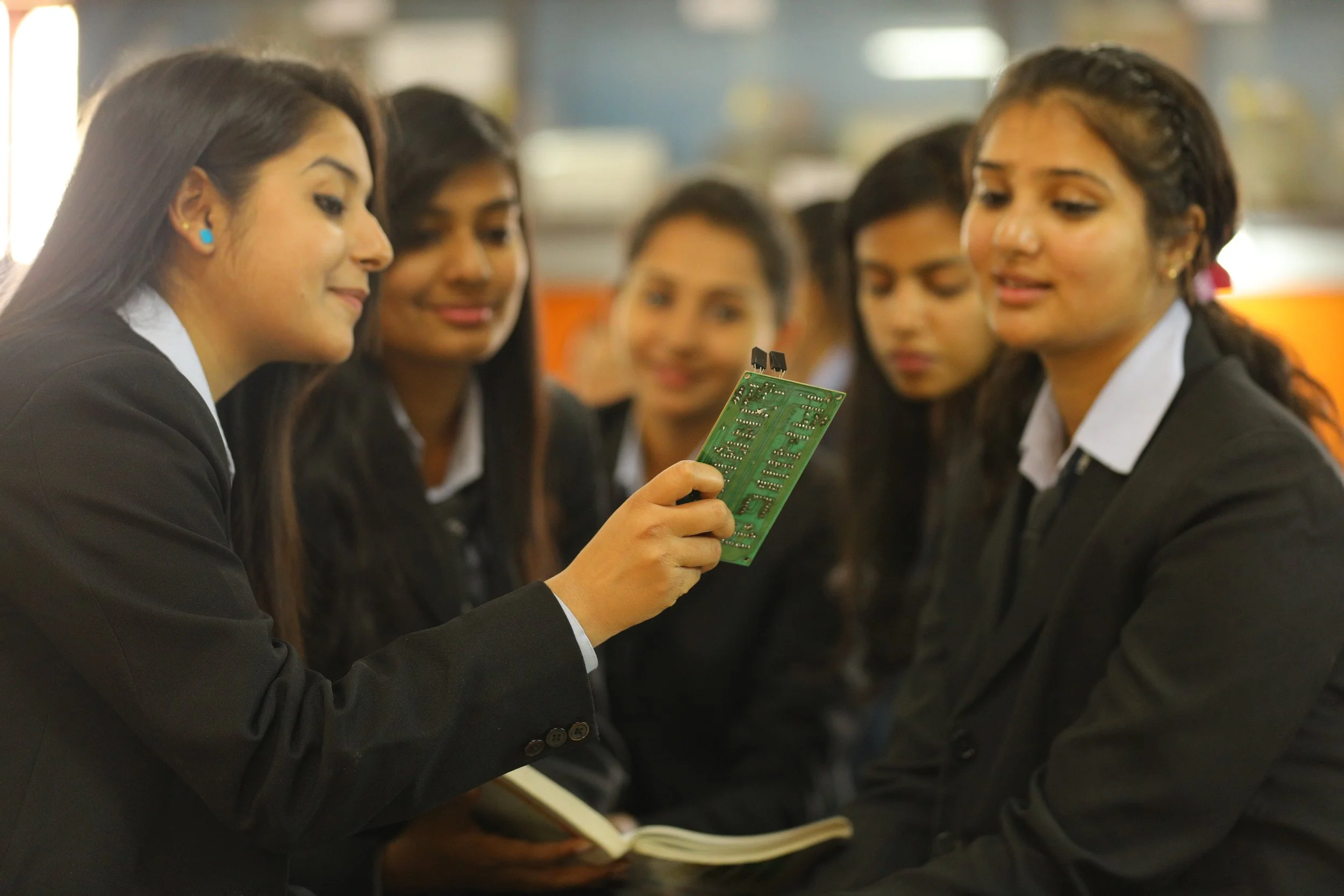
Electronics & Communication Engineering is an engineering discipline that focuses on the design, development, testing, and application of electronic circuits, communication systems, and intelligent devices.
During a B.Tech ECE programme, students typically study:
Electronic Devices and Circuits
Digital Electronics
Analog Electronics
Microprocessors and Microcontrollers
Embedded Systems
Communication Systems
Signals and Systems
VLSI Design
Digital Signal Processing
Control Systems
Wireless Communication
Internet of Things
Antenna and Microwave Engineering
The interdisciplinary nature of ECE allows graduates to explore careers in electronics, telecommunications, semiconductor technology, automation, software, and emerging technologies.
Career Scope of Electronics & Communication Engineering in 2026
The career scope of Electronics and Communication Engineering is expanding rapidly with developments in semiconductor technology, electronics manufacturing, digital communication, artificial intelligence, automation, and smart devices.
ECE graduates can build careers in industries such as:
Semiconductor and VLSI
Telecommunications
Consumer Electronics
Automotive Electronics
Electric Vehicles
Embedded Systems
Internet of Things
Robotics and Automation
Aerospace and Defence
IT and Software
Healthcare Electronics
Research and Development
This combination of core engineering and modern digital technologies makes ECE one of the most versatile engineering disciplines.
Top Career Opportunities After B.Tech ECE
1. VLSI Design Engineer
Very Large-Scale Integration, or VLSI, involves designing integrated circuits containing millions or billions of electronic components.
Students can explore areas such as:
RTL Design
Physical Design
Verification
FPGA Development
Chip Architecture
Analog and Digital IC Design
With the growth of the semiconductor ecosystem, VLSI has become an attractive specialization for ECE students.
2. Embedded Systems Engineer
Embedded systems are specialized computing systems integrated into products such as automobiles, industrial machines, medical equipment, smart appliances, and IoT devices.
Important skills include:
Embedded C
C/C++
Microcontrollers
ARM processors
Sensors
RTOS
Hardware interfaces
IoT systems
3. Electronics Design Engineer
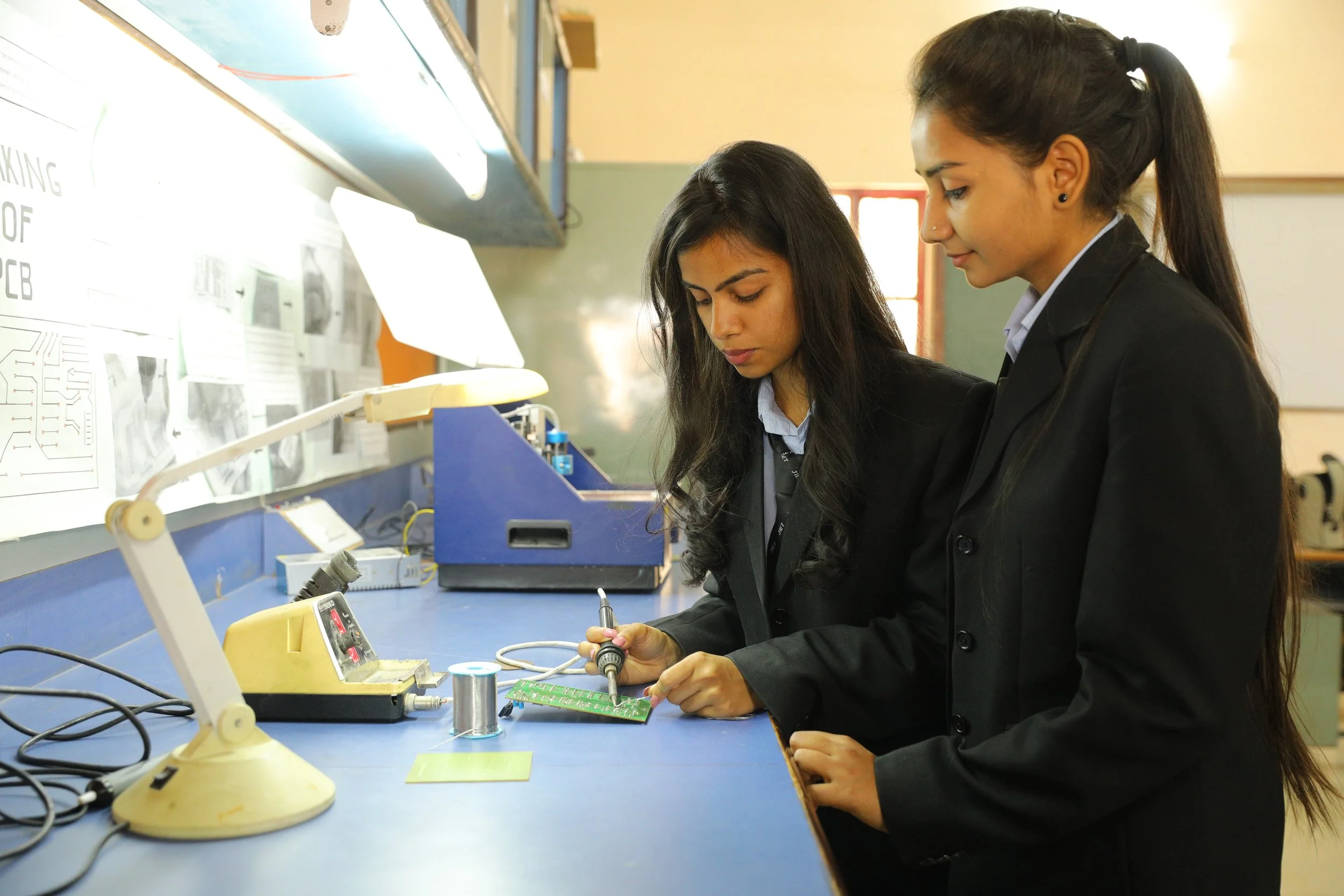
Electronics Design Engineers develop and test electronic circuits, PCB systems, control devices, and hardware products.
Career opportunities can be found in:
Consumer electronics
Industrial electronics
Automotive electronics
Robotics
Telecommunications
Healthcare devices
4. Communication Engineer
Communication engineers work on systems used to transmit voice, video, and data.
Major areas include:
Wireless Communication
Optical Communication
Satellite Communication
RF Engineering
Telecom Networks
Antenna Systems
5. IoT Engineer
The Internet of Things (IoT) connects physical devices through sensors, processors, software, and communication networks.
IoT engineers can contribute to:
Smart Homes
Smart Cities
Industrial IoT
Smart Agriculture
Wearable Devices
Connected Vehicles
Healthcare Monitoring
ECE students are well suited to IoT because the field combines electronics, embedded programming, sensors, and communication technologies.
6. Semiconductor Engineer
Semiconductors are essential for smartphones, automobiles, artificial intelligence systems, communication equipment, and electronic products.
Potential career roles include:
Semiconductor Design Engineer
Verification Engineer
FPGA Engineer
Process Engineer
Packaging Engineer
Testing Engineer
Product Engineer
7. Robotics and Automation Engineer
ECE graduates can build careers in robotics and industrial automation by working with:
Sensors
Control Systems
Microcontrollers
Robotics Hardware
Industrial Automation
Machine Vision
Smart Manufacturing
8. Automotive Electronics Engineer
Modern automobiles increasingly depend on electronic systems.
ECE engineers can work with:
Electronic Control Units
Battery Management Systems
Sensors
Embedded Controllers
Vehicle Communication Networks
Electric Vehicle Technologies
Advanced Driver-Assistance Systems
9. Network and Telecom Engineer
Students interested in communication systems can explore roles such as:
Telecom Engineer
RF Engineer
Network Engineer
Wireless Communication Engineer
Network Planning Engineer
Technical Support Engineer
10. Software and IT Careers
ECE graduates are not limited to core electronics jobs.
Students with programming and computer science skills can also pursue careers as:
Software Developer
Data Analyst
Cloud Engineer
Technical Consultant
The combination of hardware and software knowledge can provide ECE graduates with considerable career flexibility.
Top Industries Hiring ECE Graduateselectronics
| Industry | Potential Career Areas |
|---|---|
| Semiconductor | VLSI, chip design, verification, testing |
| Telecommunications | RF, wireless networks, telecom engineering |
| Consumer Electronics | Product design, embedded systems, testing |
| Automotive | EV electronics, embedded systems, sensors |
| IT Industry | Software development, data, cloud and AI |
| Manufacturing | Automation, control systems, Industrial IoT |
| Robotics | Sensors, controllers and embedded systems |
| Aerospace | Communication, electronics and instrumentation |
| Healthcare Technology | Electronic and connected medical devices |
| IoT Industry | Smart devices, sensors and connected systems |
Skills Required for ECE Students in 2026
A degree provides theoretical knowledge, but practical skills are equally important for career success.
Technical Skills
ECE students should consider learning:
C and C++
Python
Embedded C
Microcontrollers
Arduino
Raspberry Pi
MATLAB
PCB Design
VLSI
Verilog/VHDL
FPGA
IoT
Digital Signal Processing
Networking
Sensors and Instrumentation
Students interested in semiconductor careers should particularly strengthen their understanding of digital electronics, CMOS technology, VLSI design, and hardware description languages.
Soft Skills
Employers also look for:
Communication Skills
Problem-Solving Ability
Analytical Thinking
Teamwork
Leadership
Adaptability
Presentation Skills
Project Management
Future Trends in Electronics & Communication Engineering
1. Semiconductor Technology
The growing focus on semiconductor design and manufacturing is creating new opportunities for electronics engineers.
Students with expertise in VLSI, semiconductor design, verification, fabrication, and testing can prepare themselves for careers in this rapidly developing sector.
2. Artificial Intelligence in Electronics
Artificial Intelligence is increasingly being integrated into electronic products and systems.
Applications include:
AI-enabled cameras
Intelligent sensors
Edge AI
Autonomous systems
Smart manufacturing
Predictive maintenance
Intelligent communication networks
Students who combine ECE knowledge with AI and programming can explore interdisciplinary careers.
3. Internet of Things and Smart Devices
IoT technologies are transforming industries such as healthcare, agriculture, manufacturing, transportation, and home automation.
IoT can be understood as:
Sensors + Electronics + Communication + Software + Cloud
This makes Electronics & Communication Engineering highly relevant to the development of connected devices.
4. 5G and Future Communication Technologies
Advanced communication networks require expertise in:
RF Systems
Antennas
Signal Processing
Wireless Networks
Communication Electronics
ECE graduates can explore careers related to 5G deployment as well as future wireless technologies.
5. Electric Vehicles
Electric vehicles require extensive electronic engineering.
Key areas include:
Battery Management Systems
Power Electronics
Embedded Systems
Sensors
Vehicle Communication
Electronic Control Systems
This creates new opportunities for ECE graduates in the automotive and electric mobility sectors.
6. Robotics and Industry 4.0
Smart factories are increasingly adopting automation and connected machinery.
ECE graduates can contribute to:
Industrial IoT
Robotics
Sensor Networks
Automation
Machine Control
Smart Manufacturing
Higher Education Options After B.Tech ECE
Students who want to specialise further can pursue:
M.Tech in VLSI Design
M.Tech in Embedded Systems
M.Tech in Communication Engineering
M.Tech in Signal Processing
M.Tech in Microelectronics
M.Tech in Robotics
M.Tech in IoT
M.Tech in Semiconductor Technology
Students interested in business and managerial careers can also pursue an MBA, while those interested in research can opt for M.Tech and Ph.D. programmes.
Government Career Opportunities for ECE Graduates
ECE graduates can explore technical opportunities in government organizations, public-sector enterprises, research establishments, and communication-related organizations.
Depending on eligibility, students can prepare for:
GATE
Engineering Services Examination
PSU Recruitment
Technical Recruitment Examinations
Scientific and Research Positions
Students should check the latest eligibility criteria and recruitment notifications before applying.
How Can ECE Students Become Industry-Ready?
Students should start developing practical skills from the beginning of their B.Tech programme.
| B.Tech Year | Primary Focus | Suggested Activities |
|---|---|---|
| 1st Year | Build Foundations | Programming, mathematics and basic electronics |
| 2nd Year | Develop Core Skills | Digital electronics, circuits, microcontrollers and projects |
| 3rd Year | Choose Specialization | VLSI, Embedded Systems, IoT, Communication or Software |
| 4th Year | Become Career Ready | Internship, major project, resume and placement preparation |
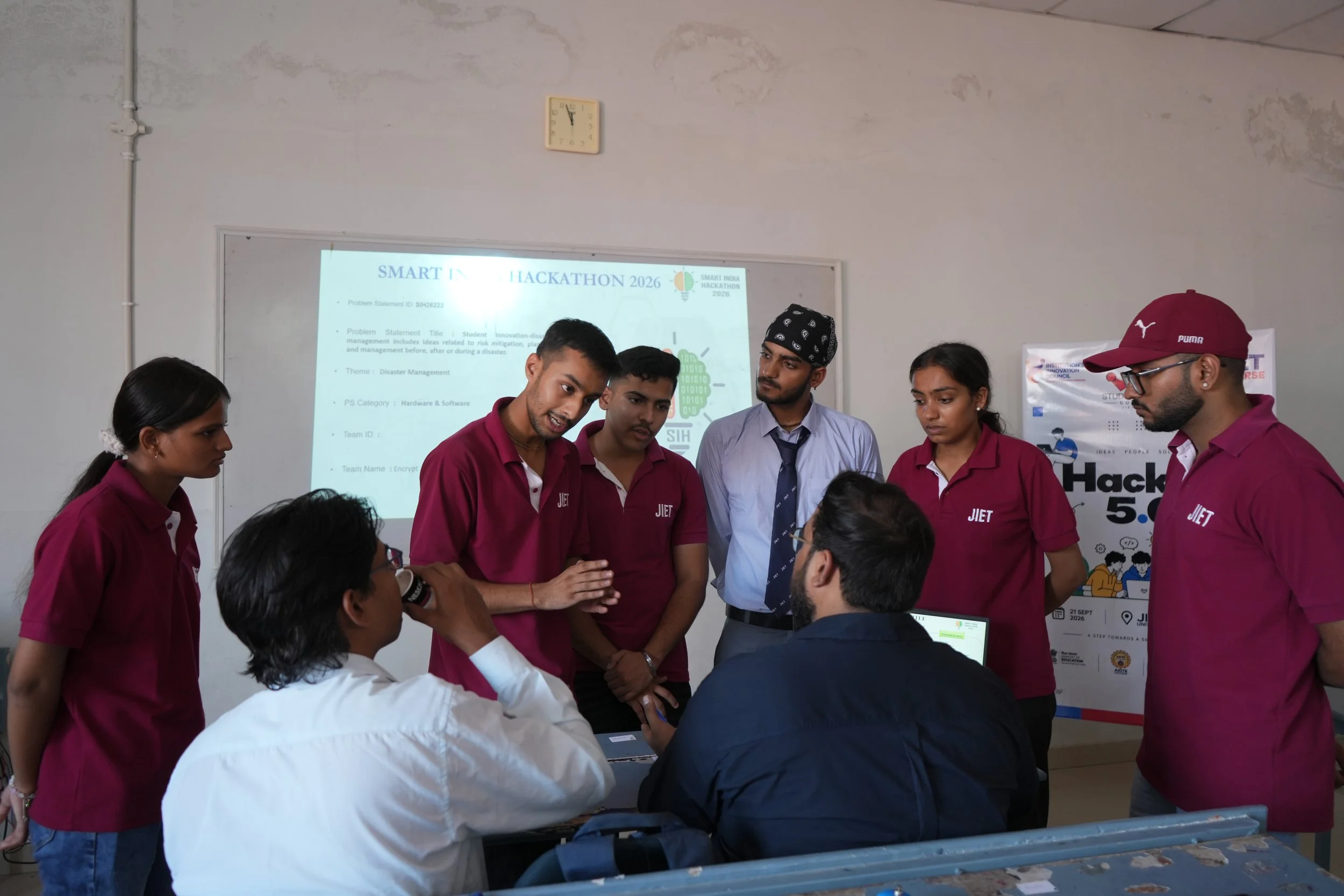
Students should also participate in internships, hackathons, technical competitions, industry projects, workshops, and certification programmes.
Why Choose JIET Universe for B.Tech in ECE?
Choosing the right institution plays an important role in developing the technical knowledge, practical abilities, and professional skills required for a successful engineering career.
JIET Universe, Jodhpur, provides students with an academic environment focused on engineering education, skill development, practical learning, and industry exposure.
Students pursuing B.Tech in Electronics & Communication Engineering at JIET Universe can develop knowledge across core and emerging areas of electronics and communication while strengthening their practical and professional competencies.
The learning experience can help students focus on areas such as:
Electronics and Communication fundamentals
Embedded Systems and Microcontrollers
Internet of Things
VLSI and Semiconductor Technologies
Communication Systems
Programming and Software Skills
Practical Projects
Innovation and Problem-Solving
Industry-oriented Skills
Communication and Personality Development
JIET Universe also emphasizes learning beyond classroom teaching through technical activities, projects, workshops, industry interaction, and skill-development opportunities.
For students searching for a B.Tech ECE college in Jodhpur, studying Electronics & Communication Engineering at JIET Universe can provide a strong foundation for careers in electronics, communication, semiconductors, embedded systems, IoT, automation, and technology-driven industries.
Is ECE a Good Career Choice in 2026?
Yes. ECE remains a strong engineering option for students interested in understanding how electronic devices, intelligent systems, and modern communication technologies work.
One of the biggest advantages of ECE is its versatility.
An ECE graduate can explore:
Electronics + Semiconductors + Telecom + Embedded Systems + IoT + Robotics + Automotive Electronics + Software
Students who continuously develop their skills and gain practical experience can explore diverse career opportunities across traditional engineering and emerging technology sectors.
Conclusion
Electronics & Communication Engineering in 2026 offers a powerful combination of core engineering knowledge and emerging technology opportunities.
Developments in semiconductors, VLSI, embedded systems, IoT, artificial intelligence, robotics, electric vehicles, and advanced communication technologies are opening new possibilities for ECE graduates.
However, career success depends on more than earning a degree. Students who develop practical skills, participate in projects, gain internship experience, and continuously learn new technologies will be better prepared for the changing job market.
For students looking to pursue B.Tech Electronics & Communication Engineering in Jodhpur, JIET Universe provides an environment where academic learning can be combined with practical exposure, skill development, and career preparation.
For students who enjoy electronics, technology, programming, communication systems, and innovation, a B.Tech in Electronics and Communication Engineering can be a versatile and future-orientated career choice.