Why Choose MCA in Cyber Security for a Successful Career
In today’s digitally connected world, businesses, governments, educational institutions, banks, healthcare organizations, and individuals depend heavily on technology. As digital adoption grows, cyber threats such as data breaches, ransomware, phishing attacks, identity theft, and network intrusions are also becoming more sophisticated. This growing security challenge has created a strong demand for professionals who can protect digital systems and sensitive information.
For students interested in technology, problem-solving, networking, and information security, pursuing an MCA in Cyber Security can be an excellent pathway towards a future-ready career. The programme combines advanced computer applications with specialized cybersecurity knowledge, helping students develop the technical and analytical skills required by modern organizations.
What Is MCA in Cyber Security?
MCA in Cyber Security is a postgraduate programme designed to provide advanced knowledge of computer applications along with expertise in protecting computer networks, applications, databases, and digital infrastructure.
Students generally develop knowledge across areas such as programming, computer networks, database management, cloud computing, information security, cybersecurity fundamentals, digital forensics, ethical security testing, cryptography, and cyber laws.
Unlike a general computer application programme, an MCA Cyber Security course provides focused learning about how digital systems can be secured against emerging cyber risks. This specialization can prepare graduates for technology careers where security is becoming an increasingly important responsibility.
Why Choose MCA in Cyber Security?
One of the biggest reasons to pursue an MCA in Cyber Security is the growing dependence of organizations on digital platforms. Companies are moving their operations to cloud platforms, adopting artificial intelligence, using connected devices, and handling large volumes of customer data. Every digital transformation initiative creates a corresponding need for security.
Cybersecurity professionals help organizations identify vulnerabilities, protect confidential information, monitor systems, manage security incidents, and develop secure technology environments. Therefore, students with advanced cybersecurity knowledge can explore opportunities across multiple industries instead of being restricted to traditional IT companies.
An MCA also develops a strong foundation in computer applications, which can help students understand both software development and information security. This combination can be particularly valuable because organizations increasingly expect technology professionals to understand secure application development and data protection.
Growing Career Opportunities in Cyber Security
Cybersecurity has evolved from being a specialized IT function into an important business requirement. Banks need professionals to secure financial transactions, healthcare organizations must protect patient information, e-commerce businesses need secure payment systems, and government organizations require experts to safeguard critical digital infrastructure.
After completing an MCA in Cyber Security, graduates can explore roles such as:
Cyber Security Analyst
Information Security Analyst
Security Operations Center (SOC) Analyst
Network Security Engineer
Cloud Security Associate
Cyber Security Consultant
Digital Forensics Analyst
Security Engineer
Application Security Analyst
Information Security Auditor
Governance, Risk and Compliance Analyst
Incident Response Analyst
With relevant experience and professional development, graduates may later progress towards senior positions such as Security Architect, Cyber Security Manager, Information Security Consultant, or Chief Information Security Officer.
Skills You Can Develop During MCA in Cyber Security
A successful cybersecurity career requires more than knowing how computers work. Professionals must understand networks, applications, operating systems, security risks, data protection and organizational processes.
During an MCA Cyber Security programme, students can develop skills related to network security, secure programming, database protection, cloud security, cyber threat analysis, digital investigation and information security management.
Students may also develop important professional skills such as analytical thinking, problem-solving, communication, teamwork and decision-making. These abilities are valuable because cybersecurity professionals frequently need to communicate technical risks to managers, clients and other departments.
MCA in Cyber Security After BCA
Students completing BCA often search for the best career options after BCA, and MCA with a cybersecurity specialization can be one of the promising choices for students interested in information technology.
A BCA provides knowledge of programming, databases, web technologies and computer applications, while an MCA allows students to develop more advanced technical expertise. Choosing cybersecurity as a specialization can add focused skills required for protecting modern digital environments.
For students asking “What should I do after BCA?”, an MCA in Cyber Security can therefore provide both postgraduate education and specialization in an important technology domain.
Cyber Security Is Relevant Across Industries
One of the major advantages of a career in cyber security is that opportunities are not limited to the software industry. Cybersecurity professionals are required wherever digital information and technology systems are used.
Graduates can explore careers in IT services, banking and financial services, e-commerce, telecommunications, healthcare, consulting, manufacturing, education, government organizations, cloud technology companies and cybersecurity service providers.
As organizations continue to digitize their operations, professionals capable of protecting their digital assets can become increasingly important across different sectors.
Role of AI and Cloud Computing in Cyber Security
Modern cybersecurity is rapidly evolving because of technologies such as Artificial Intelligence, Machine Learning and Cloud Computing. Organizations are increasingly using AI-powered technologies to analyze security events and identify unusual patterns, while cloud adoption has created new requirements for securing online infrastructure.
Students pursuing MCA in Cyber Security should therefore develop an understanding of emerging technologies alongside traditional cybersecurity concepts.
Knowledge of AI in cybersecurity, cloud security, data analytics, automation and secure application development can help students prepare for technology careers where multiple digital skills increasingly overlap.
Importance of Practical Learning
Cybersecurity is a practical field. Classroom concepts become more valuable when students understand how they are applied in real-world technology environments.
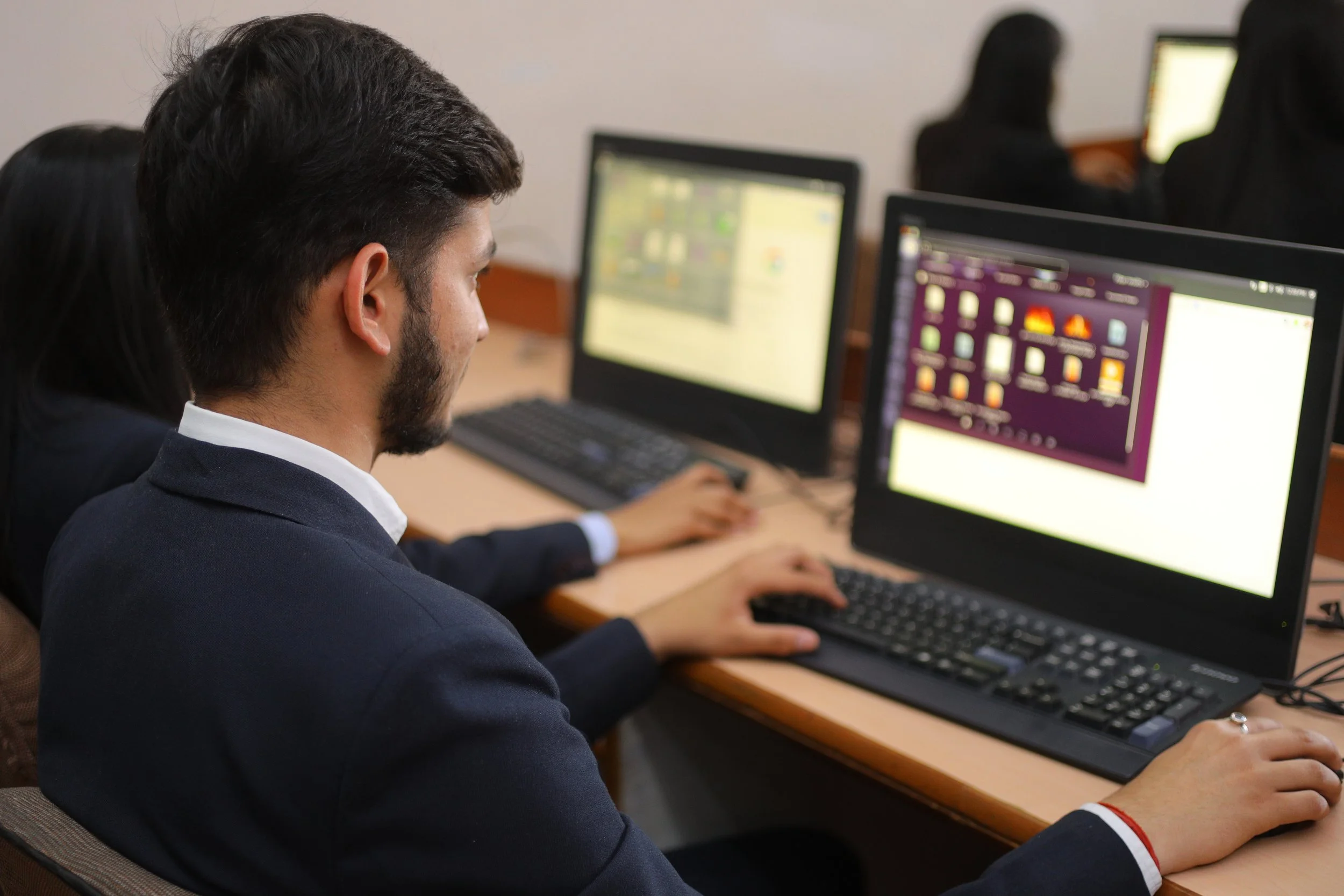
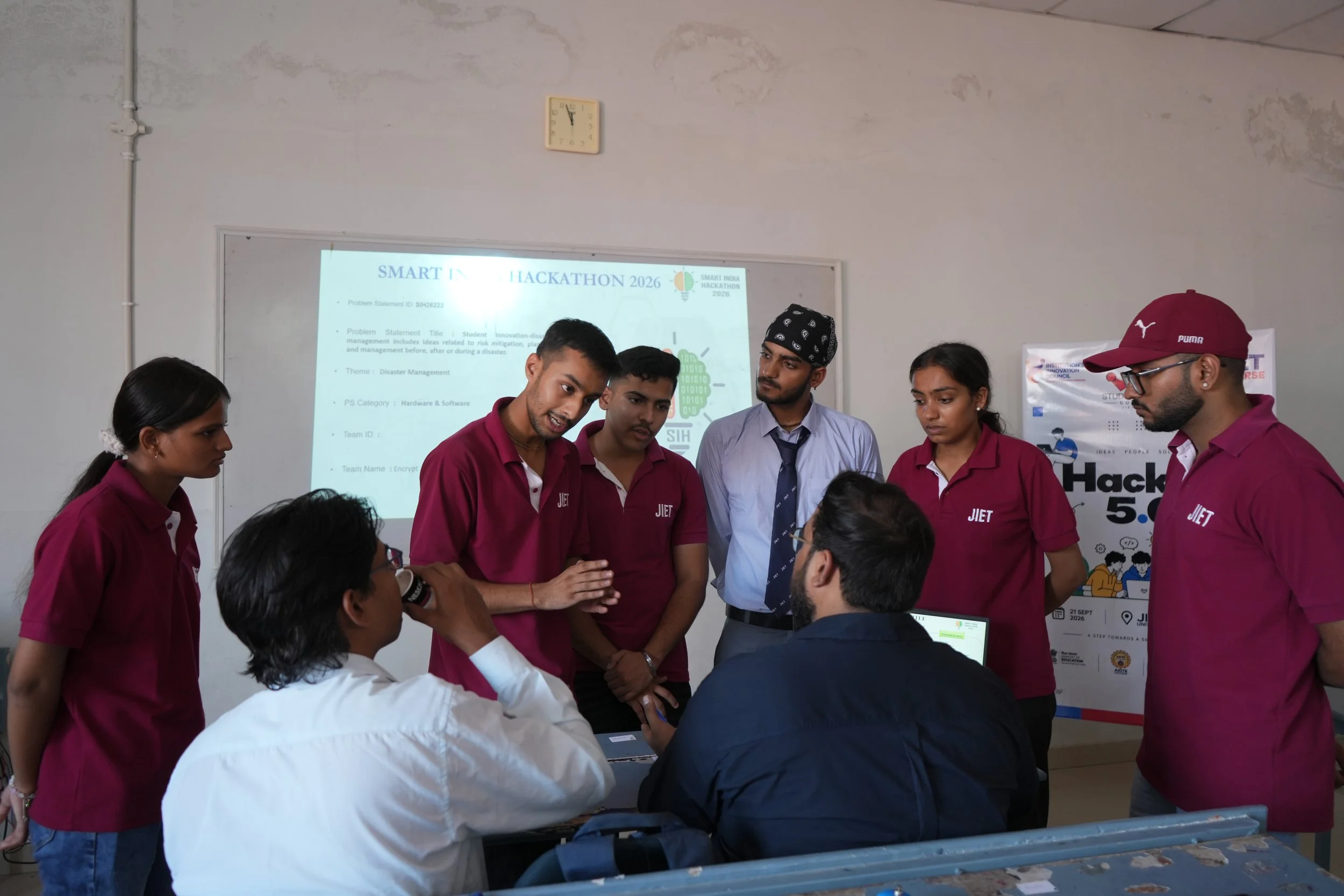
While selecting the best MCA college for Cyber Security, students should look beyond the syllabus and evaluate facilities such as modern computer laboratories, practical projects, industry exposure, internship opportunities, workshops, expert sessions, hackathons and placement preparation.
Hands-on exposure can help students understand real cybersecurity challenges while building the confidence required for technical interviews and professional environments.
Why Study MCA at JIET Universe?
Students looking for an MCA college in Rajasthan can also explore technology-focused higher education opportunities at JIET Universe, Jodhpur. A future-ready learning environment should combine academic concepts with practical exposure, industry interaction, innovation and professional skill development.
For aspiring technology professionals, exposure to areas such as cybersecurity, Artificial Intelligence, Data Science, Cloud Computing and emerging digital technologies can contribute to building a strong foundation for modern IT careers.
Students should choose an institution that supports practical learning, technical projects, career preparation, innovation and industry-oriented education so that their postgraduate journey develops both academic knowledge and employability skills.
Future Scope of MCA in Cyber Security
The future scope of cybersecurity is closely connected with the continuing growth of digital technology. Cloud platforms, online banking, smart devices, AI systems, digital payments and connected business operations all require appropriate security measures.
As technology becomes more deeply integrated into everyday life and business operations, cybersecurity is likely to remain an important career domain. Professionals who continuously update their skills and understand emerging technologies can explore opportunities in both Indian and global technology markets.
An MCA in Cyber Security can therefore provide students with a combination of advanced computing knowledge, specialization and long-term professional development opportunities.
Conclusion
Choosing an MCA in Cyber Security can be a valuable decision for students who are passionate about technology and want to build a career in one of the most important areas of the digital economy.
The programme can help students develop advanced computing knowledge while understanding network security, data protection, cloud security, information security and emerging cyber risks. With opportunities available across IT, banking, consulting, healthcare, government, e-commerce and other technology-driven industries, cybersecurity offers diverse career possibilities.
Students who combine an MCA degree with practical learning, certifications, internships, projects and continuous skill development can strengthen their prospects of building a successful and future-ready career in cybersecurity.