How to Build a Successful Software Engineering Career During B.Tech: Skills, Roadmap & Opportunities
Software engineering is one of the most dynamic and promising career paths for students pursuing a B.Tech in Computer Science and Engineering (CSE). From developing mobile applications and cloud platforms to working with artificial intelligence, cybersecurity, and data-driven technologies, software engineers contribute to almost every modern industry.
However, completing a B.Tech degree alone may not be enough to build a successful career. Students need a combination of programming skills, problem-solving ability, practical projects, internships, communication skills, and industry exposure.
If you are pursuing B.Tech and wondering how to become a software engineer, this guide provides a practical roadmap to help you prepare for a successful software engineering career during B.Tech.

Why Choose Software Engineering as a Career?
Software engineering offers opportunities across industries such as information technology, banking, healthcare, education, e-commerce, manufacturing, entertainment, and telecommunications.
A career in software engineering can provide exposure to multiple technology domains, including
Software Development
Web Development
Mobile App Development
Artificial Intelligence and Machine Learning
Data Science
Cloud Computing
DevOps
UI/UX Development
Software Testing and Quality Assurance
Internet of Things (IoT)
The continuous evolution of technology also means that software engineers must keep learning throughout their careers.
Software Engineering Career Roadmap During B.Tech
Students should start preparing for their careers from the early semesters rather than waiting until the final year. Here is a practical software engineering roadmap for B.Tech students.
1. Build Strong Programming Fundamentals
Programming is one of the most important skills for aspiring software engineers. Start by becoming comfortable with at least one programming language before gradually expanding your knowledge.
Popular programming languages include
C and C++: Useful for understanding programming fundamentals, memory management, algorithms, and competitive programming.
Python: Widely used in artificial intelligence, machine learning, data science, automation, and backend development.
Java: Commonly used for enterprise applications, backend systems, and Android-related development.
JavaScript: Essential for modern web development and widely used for both frontend and backend applications.
Instead of trying to learn every programming language, focus on understanding programming concepts and becoming proficient in one or two languages.
2. Master Data Structures and Algorithms
Data Structures and Algorithms (DSA) are important for improving logical thinking and solving computational problems efficiently.
Important topics include:
Arrays and Strings
Linked Lists
Stacks and Queues
Trees
Graphs
Hashing
Searching and Sorting
Recursion
Dynamic Programming
Time and Space Complexity
Regular problem-solving practice can help students strengthen their coding skills and prepare for technical interviews.
3. Strengthen Core Computer Science Subjects
A strong software engineer should understand more than programming. During your B.Tech CSE, pay close attention to core subjects such as
Object-Oriented Programming
Database Management Systems (DBMS)
Operating Systems
Computer Networks
Software Engineering
Computer Architecture
Web Technologies
Cloud Computing
Cybersecurity Fundamentals
These concepts frequently appear in technical interviews and are also useful when working on real-world software systems.
4. Learn Full-Stack or Application Development
Once you understand programming fundamentals, start building applications.
For web development, students can learn:
Frontend: HTML, CSS, JavaScript, and modern frontend frameworks.
Backend: Node.js, Python, Java, or other server-side technologies.
Database: MySQL, PostgreSQL, MongoDB, or similar database technologies.
Understanding both frontend and backend development can help students create complete projects and develop practical software engineering skills.
5. Work on Real-World Projects
Projects demonstrate how well you can apply classroom knowledge to practical problems.
Instead of creating projects only for academic submissions, develop applications that address real needs.
Project ideas may include:
College Event Management System
Student Attendance Management System
E-commerce Website
Expense Tracker
Online Learning Platform
AI-based Chatbot
Placement Preparation Portal
Inventory Management System
Smart Campus Application
Personal Portfolio Website
Try to document your projects properly and explain the problem, technology used, your contribution, challenges faced, and final outcome.
6. Learn Git and GitHub
Version control is an important part of professional software development.
Learning Git can help you manage changes in your code, while GitHub or similar platforms can be used to maintain repositories and collaborate on projects.
Students should gradually build a portfolio containing:
Academic projects
Personal coding projects
Open-source contributions
Documentation
Collaborative projects
A well-organized technical portfolio can strengthen your profile during internships and placement interviews.
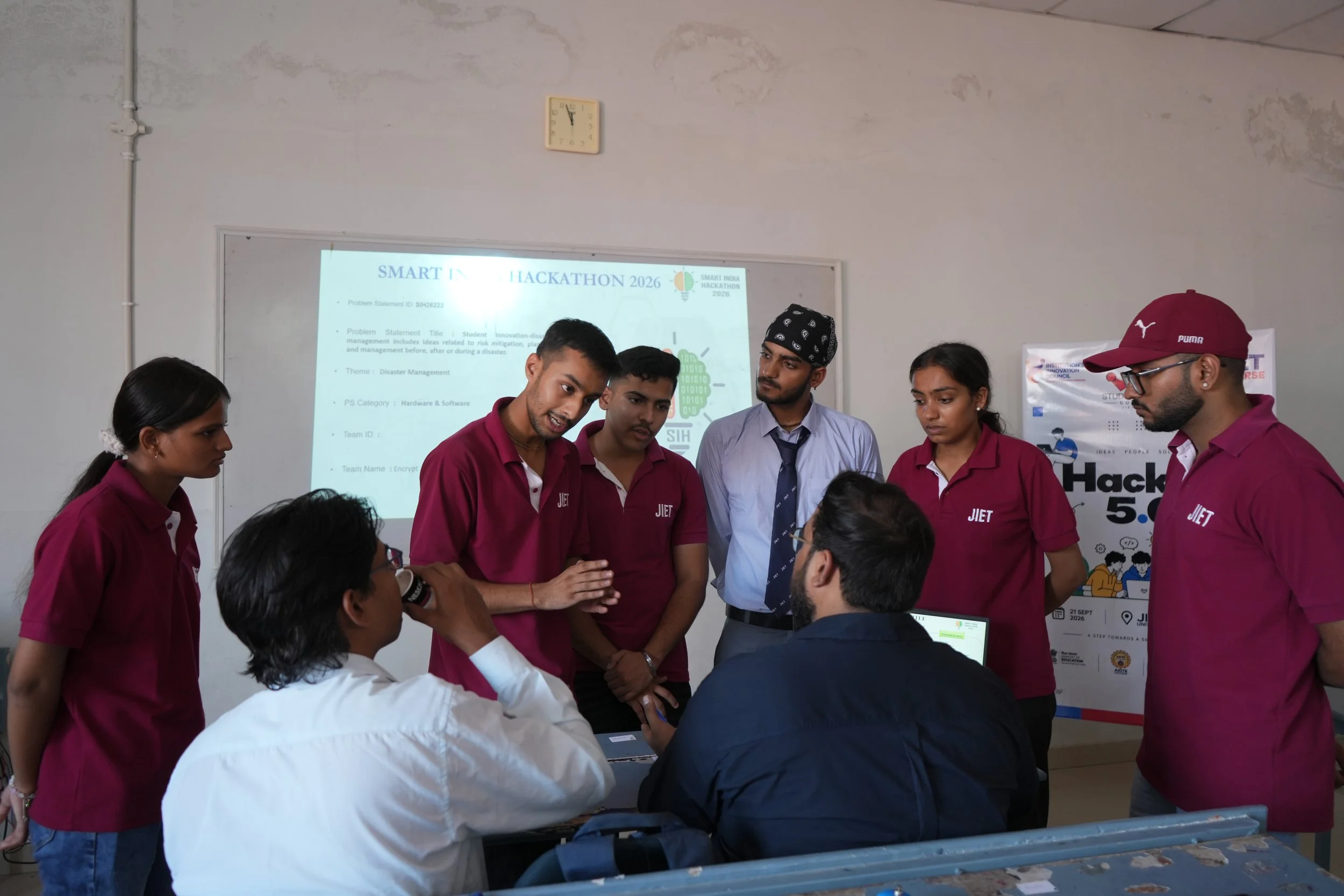
7. Participate in Hackathons and Coding Competitions
Hackathons provide students with opportunities to solve problems within a limited time while working in teams.
Participation can help develop:
Problem-solving skills
Coding ability
Creativity
Teamwork
Time management
Presentation skills
Product development thinking
Coding competitions can also help students improve their understanding of algorithms and computational thinking.
8. Gain Internship Experience
Internships allow B.Tech students to experience professional software development environments before graduation.
During an internship, students may learn about:
Software development workflows
Team collaboration
Code reviews
Testing
Documentation
Project management
Client requirements
Professional communication
Students should actively explore software engineering internships for B.Tech students and focus on opportunities that provide meaningful practical exposure.
9. Explore Emerging Technologies
Technology changes rapidly, so students should remain aware of emerging areas.
Some important technology domains include
Artificial Intelligence and Machine Learning: Used in automation, recommendation systems, analytics, intelligent applications, and many other areas.
Cloud Computing: Modern applications increasingly rely on cloud infrastructure and services.
Cybersecurity: Organizations require professionals who understand application security, networks, systems, and data protection.
Data Science: Businesses increasingly use data for analysis and decision-making.
DevOps: DevOps combines software development practices with deployment, automation, monitoring, and infrastructure management.
Students do not need to master every technology. Choose an area based on your interests and build deeper expertise gradually.
10. Develop Communication and Soft Skills
Technical expertise is essential, but software engineers also work with managers, designers, clients, analysts, and other developers.
Important professional skills include:
Written communication
Presentation skills
Teamwork
Leadership
Critical thinking
Problem-solving
Time management
Adaptability
Professional ethics
Students who can explain technical concepts clearly often perform better in interviews and collaborative environments.
11. Build a Strong Resume and Professional Profile
Your resume should clearly present your technical capabilities.
Include relevant information such as:
Technical skills
Programming languages
Projects
Internships
Certifications
Hackathons
Achievements
Relevant coursework
Keep your resume concise and make sure you can confidently explain everything mentioned in it.
12. Start Placement Preparation Early
Do not wait until the final semester to begin preparing for placements.
A structured preparation strategy should cover:
Technical preparation: Programming, DSA, DBMS, operating systems, computer networks, OOP and software engineering concepts.
Aptitude preparation: Quantitative aptitude, logical reasoning and analytical ability.
Interview preparation: technical interviews, HR interviews, project discussions, and mock interviews.
Communication preparation: Group discussions, presentations, and professional communication.
Regular preparation throughout B.Tech is generally more effective than intensive preparation just before placement season.
| B.Tech Year | Primary Focus | Recommended Activities |
|---|---|---|
| 1st Year | Programming Fundamentals | Learn C/C++/Python, basic problem-solving and Git |
| 2nd Year | Core CS + Development | Learn DSA, DBMS, OOP, web/app development and create projects |
| 3rd Year | Industry Exposure | Advanced DSA, internships, hackathons, specialization and portfolio development |
| 4th Year | Placement & Career Preparation | Interview preparation, resume building, major project and job applications |
Career Opportunities After B.Tech in Software Engineering
Students with strong software engineering skills can explore roles such as:
Software Engineer
Software Developer
Full-Stack Developer
Front-End Developer
Back-End Developer
Mobile Application Developer
Cloud Engineer
DevOps Engineer
Data Analyst
Data Engineer
Machine Learning Engineer
Cybersecurity Analyst
Software Test Engineer
Quality Assurance Engineer
The right career path depends on your technical interests, skills, projects, and specialization.
Why Choose JIET Universe for B.Tech?
For students planning a career in technology, the learning environment during B. Tech plays an important role in developing technical and professional competencies.
JIET Universe, Jodhpur, provides an academic environment where engineering students can combine classroom learning with practical exposure. Through technical activities, projects, workshops, hackathons, skill-development initiatives, and career-oriented learning, students can work on competencies relevant to modern engineering careers.
For aspiring software professionals, participating actively in coding activities, projects, internships, innovation initiatives, and placement preparation during B.Tech can help bridge the gap between academic learning and industry expectations.
Students considering B.Tech in Computer Science and Engineering in Jodhpur or Rajasthan can explore JIET Universe's engineering programmes and evaluate the curriculum, facilities, specializations, industry exposure, and career-development opportunities according to their goals.
Final Thoughts
Building a successful software engineering career during B.Tech is a gradual process. The most effective approach is to combine academic knowledge with programming practice, DSA, projects, internships, emerging technologies, and communication skills.
Start with the fundamentals, build projects consistently, participate in technical activities, gain practical experience, and continue improving your skills throughout all four years of B.Tech.
The goal should not simply be to collect certificates or learn multiple programming languages. Instead, focus on becoming a strong problem solver who can design, build, test, and improve useful software solutions.
With consistent learning and practical exposure, B.Tech students can build a strong foundation for careers in software development and other emerging technology domains.