
College life isn't defined by lectures, assignments, and examinations alone. Some of the most valuable lessons come from planning an event, performing on stage, working with a team, or taking responsibility beyond the classroom.
Engineering education is often associated with technical knowledge, laboratory experiments, coding, and problem-solving. While these are essential for academic growth, becoming a successful professional requires much more. Communication, creativity, leadership, adaptability, and the confidence to work with people are equally important.
This is where cultural fests in engineering colleges make a meaningful difference.
More than occasions for entertainment, college cultural festivals provide students with opportunities to discover their abilities, explore new interests, and develop skills that complement their academic education.
At JIET Universe, Jodhpur, campus celebrations such as Resonance, the annual techno-cultural festival, reflect the importance of creating opportunities for learning beyond textbooks and classrooms.
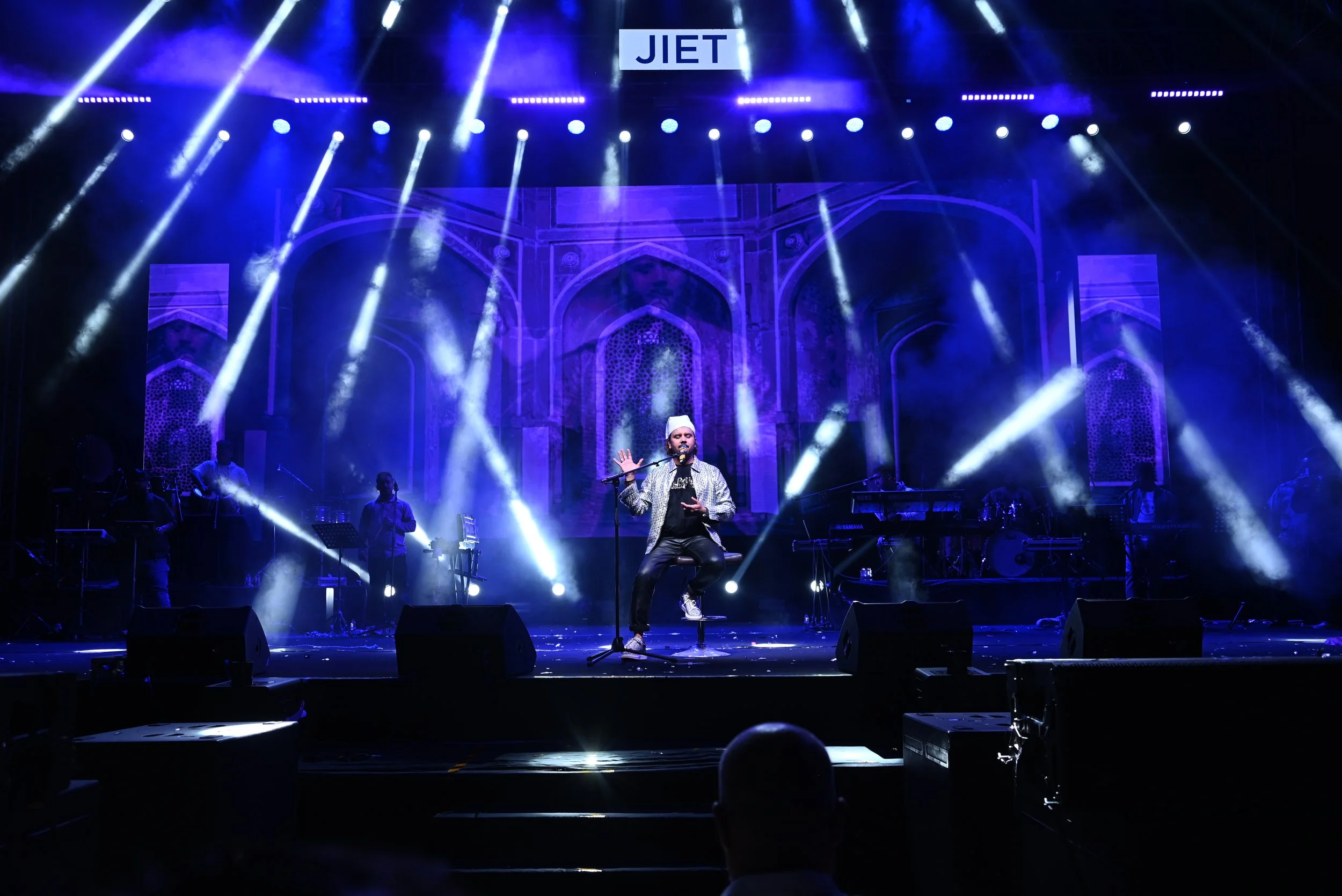
Beyond the Classroom: Why Cultural Fests Are Important for Engineering Students
A student who can solve a complex engineering problem may still find it difficult to speak confidently in front of an audience. Someone who performs exceptionally well in examinations may never have had the opportunity to lead a team or organise a major event.
Academic education builds subject knowledge, but college experiences help students discover how to apply their abilities in different situations.
Cultural festivals offer a welcoming space for this exploration. From music and dance to fashion, art, event planning, and creative competitions, students can participate in activities that challenge them in different ways.
These experiences provide something that conventional examinations cannot always measure: the ability to communicate ideas, take initiative, collaborate, and respond to unexpected situations.
For engineering students, these qualities are especially valuable because professional success often depends on how effectively individuals work with others.
1. Creativity: Discovering Ideas Beyond Technical Boundaries
Engineering is fundamentally about finding solutions. However, innovative solutions often begin with the ability to think differently.
Cultural festivals encourage students to step outside familiar academic routines and explore their creative interests.
A student designing stage decorations learns to work with space, materials, and visual presentation. Someone participating in a fashion show explores design, aesthetics, and storytelling. A student preparing a musical performance develops coordination, expression, and attention to detail.
Although these activities may appear unrelated to engineering, they involve planning, experimentation, decision-making, and creativity.
When students have opportunities to express themselves through art and culture, they may become more comfortable exploring unfamiliar ideas.
Creativity is not limited to artists. It is equally important for engineers, designers, entrepreneurs, and innovators.
2. Leadership: Learning to Take Responsibility
Organising a college festival involves much more work than audiences usually see.
Behind every performance or competition are students coordinating schedules, managing registrations, communicating with participants, arranging resources, and solving last-minute problems.
These responsibilities create valuable leadership opportunities.
A student coordinating a cultural event must learn to listen to others, communicate expectations, manage responsibilities, and make decisions.
Sometimes plans change unexpectedly. A participant may arrive late, a rehearsal may take longer than expected, or an activity may need to be reorganised.
Handling these situations requires patience, judgement, and adaptability.
The experience of managing people and responsibilities during a college festival can help students develop confidence for future academic projects and professional roles.
3. Teamwork and Collaboration: Achieving More Together
Few college festivals succeed through individual effort alone.
A successful event requires coordination among participants, volunteers, organisers, faculty members, and supporting teams.
Students from different departments and academic years come together with a shared objective. They exchange ideas, divide responsibilities, and work towards completing tasks on time.
This interaction helps students understand that teamwork involves more than simply working in a group.
It requires listening, respecting different opinions, addressing disagreements, and supporting team members when challenges arise.
These are also important qualities in engineering workplaces, where professionals often collaborate across technical disciplines.
Through cultural events, students experience the importance of collective effort in a practical and memorable way.
4. Communication and Confidence: Finding Your Voice
For many students, the thought of speaking or performing in front of an audience can be intimidating.
A cultural festival provides opportunities to gradually overcome that hesitation.
Whether someone participates in anchoring, theatre, singing, dance, debates, or event coordination, the experience encourages communication and self-expression.
Students learn to present ideas, interact with unfamiliar people, and express themselves with greater clarity.
Even those who prefer working behind the scenes develop communication skills while coordinating with participants, faculty members, and organising teams.
These experiences are valuable beyond college.
Interviews, presentations, group discussions, professional meetings, and collaborative projects all require effective communication.
The confidence developed through participation in campus activities can therefore support students during important academic and career opportunities.
5. Time Management: Balancing Academics and Activities
Participating in a cultural festival requires commitment.
Students must often balance rehearsals, meetings, preparation, assignments, laboratory work, and examinations.
This creates a practical opportunity to learn time management.
A student preparing for a performance may need to organise practice sessions around the academic timetable. An event coordinator may have to prioritise several tasks while ensuring that responsibilities are completed on schedule.
Such experiences help students recognise the importance of planning, discipline, and consistency.
Managing multiple commitments is also a common part of professional life, making time management an important transferable skill.
6. Cultural Diversity: Learning Through Different Perspectives
Engineering colleges bring together students from different cities, languages, communities, and educational backgrounds.
Cultural festivals create opportunities for students to share and appreciate these differences.
Traditional performances, regional music, artistic presentations, and cultural activities introduce participants to experiences beyond their own backgrounds.
These interactions can encourage mutual respect, openness, and a stronger sense of belonging.
For students who have moved away from home for higher education, cultural events can also help them make friends, connect with peers, and become more comfortable in the campus environment.
A diverse and inclusive college experience helps prepare students to collaborate with people from different backgrounds throughout their professional lives.
7. Personal Growth: Discovering Strengths Beyond Academics
Not every student enters college knowing what they are good at.
Some discover a passion for music. Others realise they enjoy photography, public speaking, event management, creative writing, or design.
College festivals provide opportunities to explore these interests without requiring students to make them part of their academic specialisation.
A quiet student may discover confidence through anchoring an event. A technically focused student may develop an interest in visual design. Someone participating as a volunteer may realise they enjoy organising teams and managing responsibilities.
These experiences allow students to recognise abilities that may remain unnoticed in a conventional classroom setting.
Personal growth is rarely limited to one activity or achievement. It develops through participation, reflection, and the willingness to try something new.
Resonance at JIET Universe: Celebrating Talent, Technology, and Campus Life
At JIET Universe in Jodhpur, Rajasthan, the annual techno-cultural festival Resonance represents an opportunity for students to showcase their talents beyond academic pursuits.
Organised through student participation and coordination, Resonance brings together cultural performances, creative activities, technical events, and sports competitions.
Its diverse activities provide opportunities for students with different interests to participate, whether they enjoy performing on stage, contributing creative ideas, taking part in competitions, or supporting event organisation.
The festival also provides a platform for interaction among students, faculty members, and the wider campus community.
What makes events like Resonance meaningful is not simply the variety of activities but the experiences students gain while preparing for and participating in them.
The planning, coordination, creative expression, and shared responsibilities involved in such celebrations reflect the broader value of student engagement in higher education.
For JIET Universe, cultural events form part of a campus environment that encourages students to explore their interests and develop beyond their academic disciplines.
How Cultural Fests Help Students Prepare for Future Careers
Employers look for technical competence, but workplace effectiveness also depends on communication, teamwork, adaptability, and the ability to take responsibility.
College cultural festivals create practical situations where students can begin developing these qualities.
For example, a student who has coordinated an event may have useful experiences to discuss during an interview. Someone who has managed a team of volunteers may be better prepared to explain how they approached a disagreement or solved an organisational problem.
Similarly, participants in creative competitions may develop confidence in presenting ideas and responding to feedback.
These experiences do not replace technical education. Instead, they complement it by helping students develop skills that are useful across professions.
The most meaningful benefit is not necessarily winning a competition. It is what students learn through the experience.
FAQ’s About Cultural Fests in Engineering Colleges
Q1.Why are cultural fests important in engineering colleges?
Ans. Cultural fests provide opportunities for engineering students to develop creativity, leadership, communication, teamwork, and organisational skills alongside their technical education.
Q2.How do cultural activities contribute to student development?
Ans. Cultural activities encourage students to explore interests, interact with others, take responsibility, and gain confidence through participation in different experiences.
Q3.Can participating in college festivals help with career development?
Ans. Yes. Experiences such as coordinating events, managing teams, communicating with participants, and meeting deadlines can help students develop transferable professional skills.
Q4.What is Resonance at JIET Universe?
Ans. Resonance is an annual techno-cultural festival associated with JIET Universe, Jodhpur. It brings together cultural, technical, and sports activities, creating opportunities for students to showcase their interests and talents.
Q5.Why should engineering students participate in extracurricular activities?
Ans. Extracurricular activities complement academic learning by encouraging creativity, social interaction, problem-solving, confidence, and personal development.
Conclusion: College Life Is About More Than Earning a Degree
Years after graduation, students may not remember every classroom discussion or assignment. However, they often remember the friendships they formed, the challenges they overcame, the events they organised, and the moments when they discovered something new about themselves.
Cultural festivals create opportunities for those experiences.
They encourage students to think creatively, work with others, communicate confidently, and take initiative. These qualities matter not only during college but throughout professional and personal life.
At JIET Universe, events such as Resonance reflect the importance of giving students opportunities to participate, express themselves, and explore their potential beyond academics.
An engineering degree builds technical knowledge. Experiences beyond the classroom help students discover what they can do with it.
