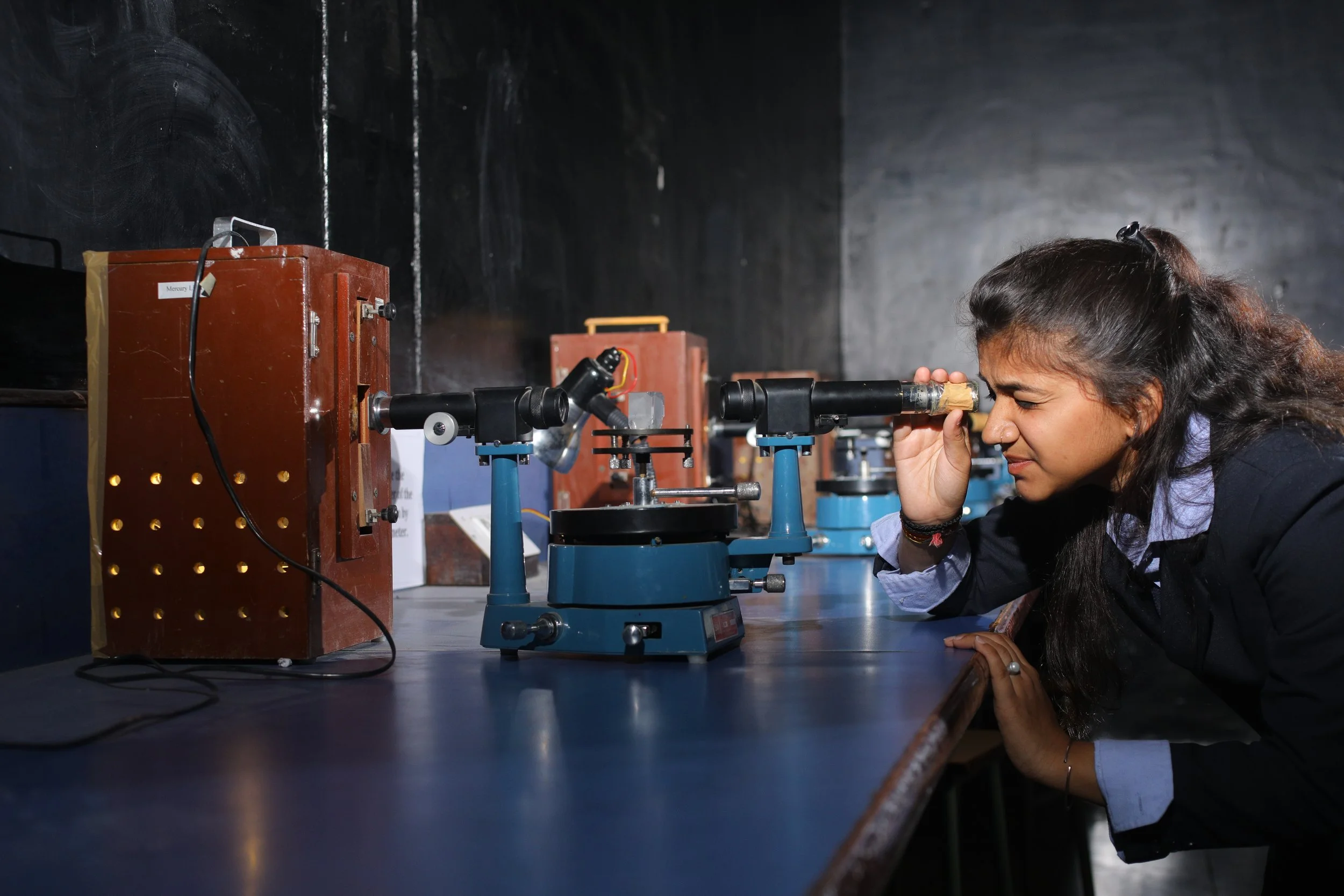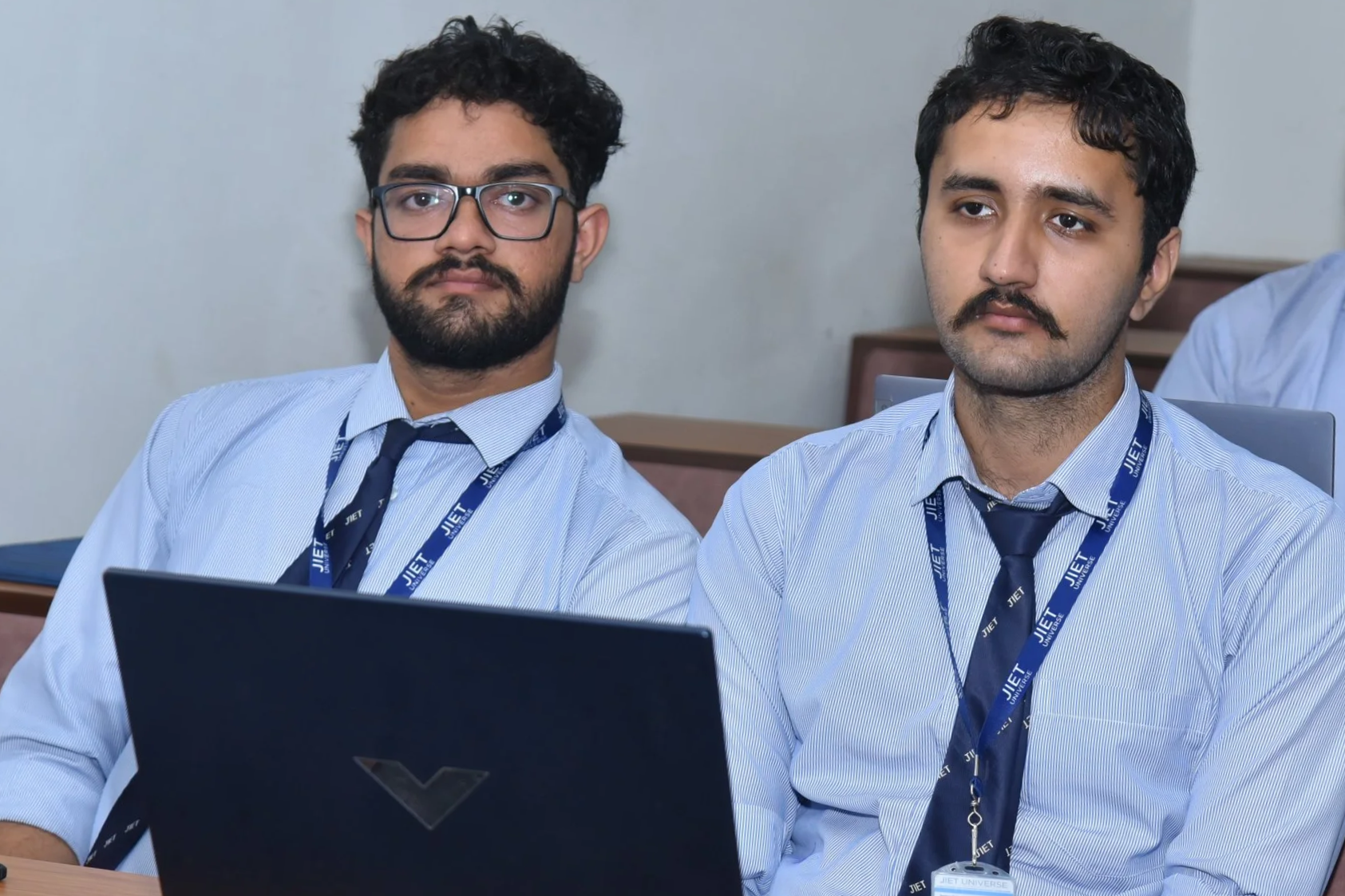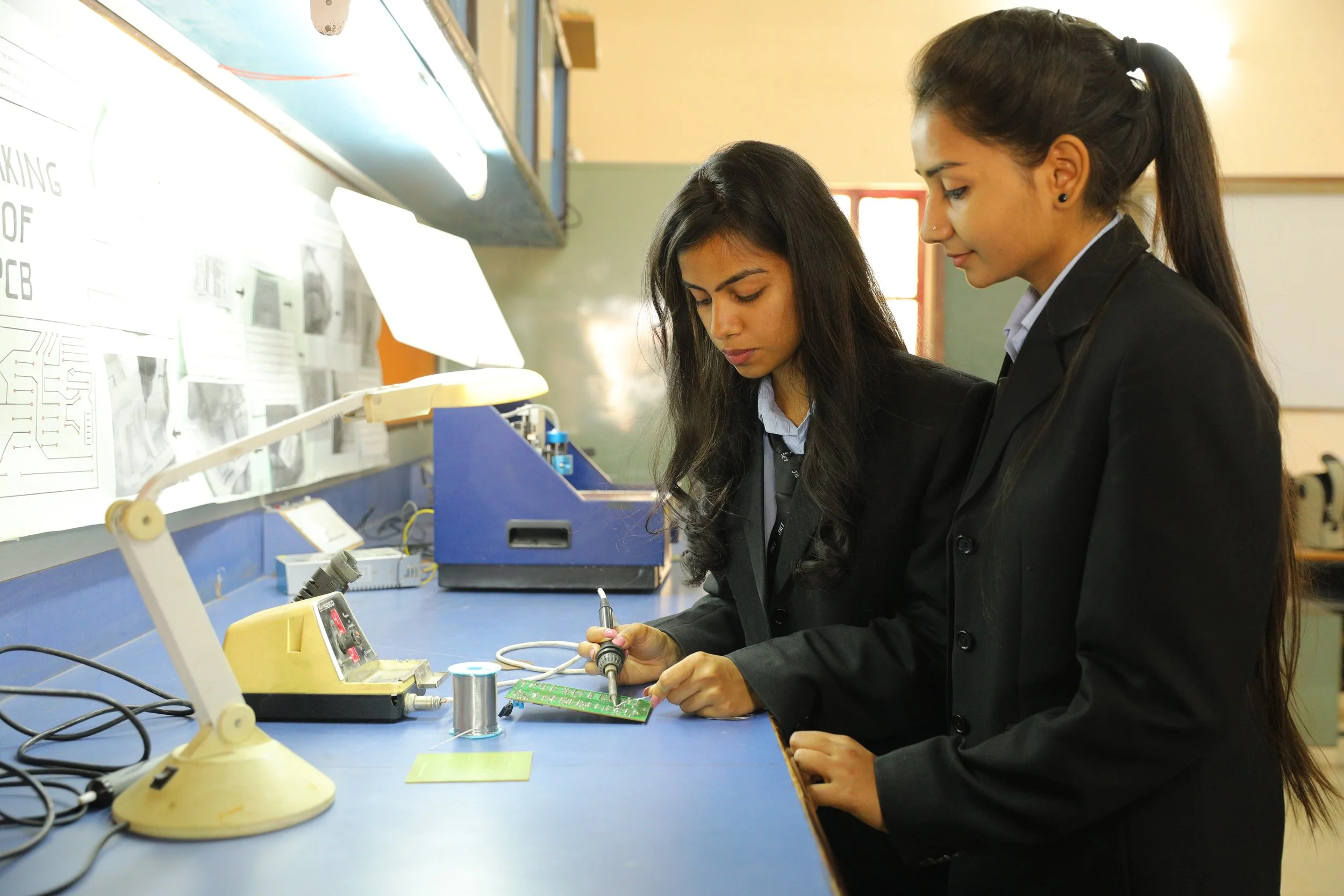
Electrical Engineering is one of the most important branches of engineering, powering modern industries, smart cities, renewable energy systems, electric vehicles, and automation technologies. With the increasing demand for sustainable energy and advanced electrical systems, pursuing a B.Tech in Electrical Engineering can open doors to exciting career opportunities.
For students searching for a B.Tech Electrical Engineering college in Rajasthan, JIET Universe, Jodhpur, is an educational option worth exploring for building technical knowledge, practical skills, and career readiness.
Why Choose B.Tech in Electrical Engineering?
Electrical Engineering focuses on the study, design, development, and maintenance of electrical systems, power generation, electronics, and automation technologies.
A B.Tech. in Electrical Engineering helps students develop skills in:
Electrical circuits and power systems
Renewable energy and smart grids
Electric vehicles (EVs) and battery technologies
Industrial automation and control systems
Electrical machines and power electronics
Programming and technical problem-solving
As industries adopt automation, clean energy, and intelligent technologies, electrical engineers continue to play a vital role in technological development.
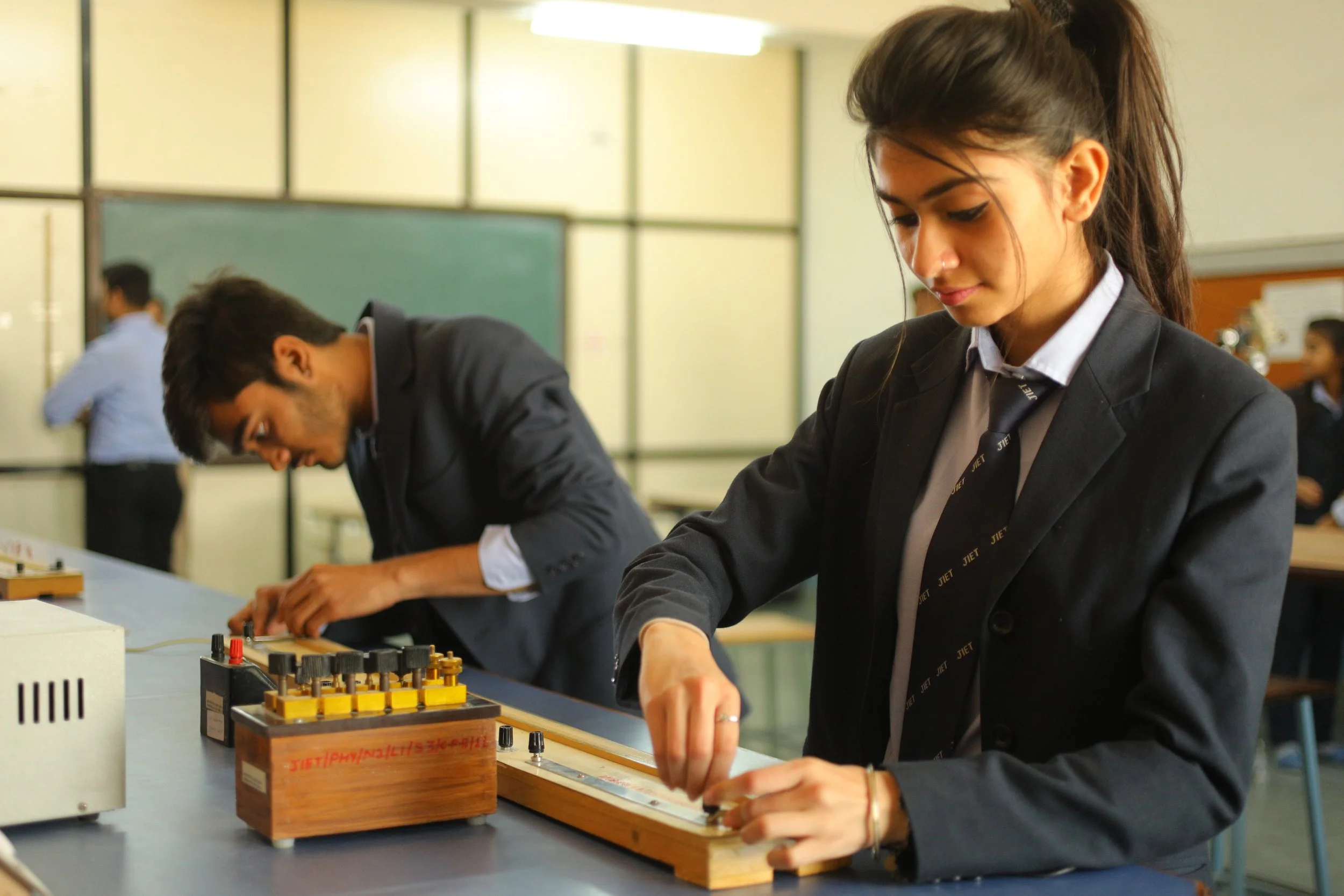
Why Choose JIET Universe for Electrical Engineering in Jodhpur?
Choosing the right engineering college is an important step toward building a successful career. Students considering electrical engineering at JIET Universe can explore opportunities for academic learning, technical development, and practical engineering experience.
1. Industry-Oriented Engineering Education
A strong engineering education connects theoretical concepts with practical applications. Electrical Engineering students benefit from studying subjects such as power systems, electrical machines, control systems, and modern energy technologies.
2. Practical Learning and Technical Skills
Hands-on learning is essential for electrical engineers. Laboratory experiments, technical projects, simulations, and engineering activities help students understand real-world electrical systems.
3. Focus on Emerging Technologies
The future of Electrical Engineering is closely connected with:
Electric vehicles and charging infrastructure
Solar and wind energy
Smart grids and energy management
Robotics and industrial automation
Artificial Intelligence in electrical systems
Developing knowledge in these areas can help students prepare for evolving industry requirements.
4. Career and Placement Preparation
Along with technical expertise, students should focus on communication, teamwork, aptitude, internships, and interview preparation. These skills can strengthen their readiness for Electrical Engineering placements and career opportunities.
Career Opportunities After B.Tech in Electrical Engineering
Electrical Engineering graduates can explore careers across energy, manufacturing, infrastructure, automation, and technology industries.
| Career Option | Key Skills Required |
|---|---|
| Electrical Engineer | Electrical circuits, machines, power systems |
| Power Systems Engineer | Power generation, transmission, distribution |
| Renewable Energy Engineer | Solar energy, wind energy, energy systems |
| EV Technology Engineer | Motors, batteries, power electronics |
| Automation Engineer | PLC, SCADA, control systems |
| Electrical Design Engineer | AutoCAD Electrical, circuit design |
| Maintenance Engineer | Troubleshooting, equipment maintenance |
| Control Systems Engineer | MATLAB, control theory, automation |
Graduates can also pursue higher education through M.Tech, MBA, or specialized certification programmes, depending on their career goals.
Future Scope of Electrical Engineering in India
The future scope of Electrical Engineering in India is promising because of developments in energy infrastructure, industrial automation, and sustainable technologies.
1. Renewable Energy
India's growing focus on solar, wind, and other renewable energy technologies creates opportunities for engineers specializing in power generation, energy storage, and grid integration.
2. Electric Vehicle Industry
The expansion of electric mobility is increasing the importance of electrical engineers in motor design, battery management systems, charging infrastructure, and power electronics.
3. Smart Grids and Power Infrastructure
Modern electricity networks require intelligent monitoring, automation, and efficient power distribution. Electrical engineers contribute to designing and maintaining these systems.
4. Robotics and Industrial Automation
Manufacturing industries increasingly use automated machines, sensors, and intelligent control systems, creating career pathways for engineers with automation expertise.
Essential Skills for Electrical Engineering Students
To build a successful career after B.Tech in Electrical Engineering, students should develop both technical and professional skills.
Technical skills: MATLAB, Simulink, AutoCAD Electrical, PLC, SCADA, circuit design, power electronics, and basic programming.
Professional skills: Problem-solving, analytical thinking, teamwork, communication, project management, and adaptability.
Combining these skills with internships and practical projects can improve career readiness.
Conclusion
Pursuing a B.Tech in Electrical Engineering at JIET Universe, Jodhpur, can be a valuable academic pathway for students interested in electrical technologies, renewable energy, electric vehicles, and industrial automation.
With the right technical knowledge, practical experience, and professional skills, Electrical Engineering graduates can explore diverse career opportunities in India and abroad.
Students looking for an Electrical Engineering College in Jodhpur, Rajasthan should consider the programme curriculum, laboratory facilities, industry exposure, faculty expertise, and verified placement information before making their decision.