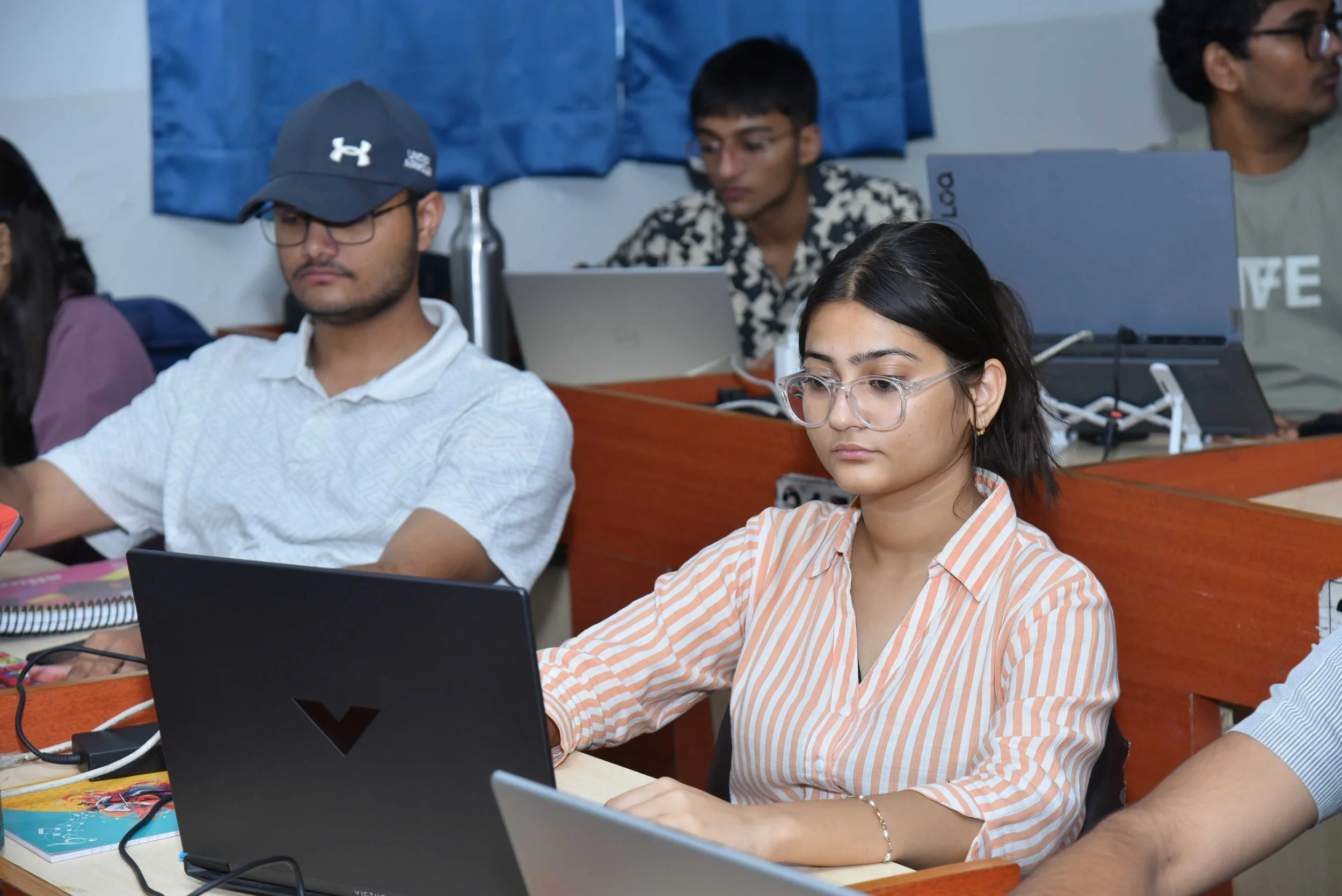
How to Start a Career in IT After a Career Gap
In today’s dynamic professional environment, taking a career break is quite common. Whether due to personal commitments, higher education, or health reasons, many individuals pause their careers at some point. However, restarting can feel challenging—especially in a fast-evolving domain like IT. The good news is that building a career in IT after a career gap is absolutely achievable with the right approach, skills, and mindset.
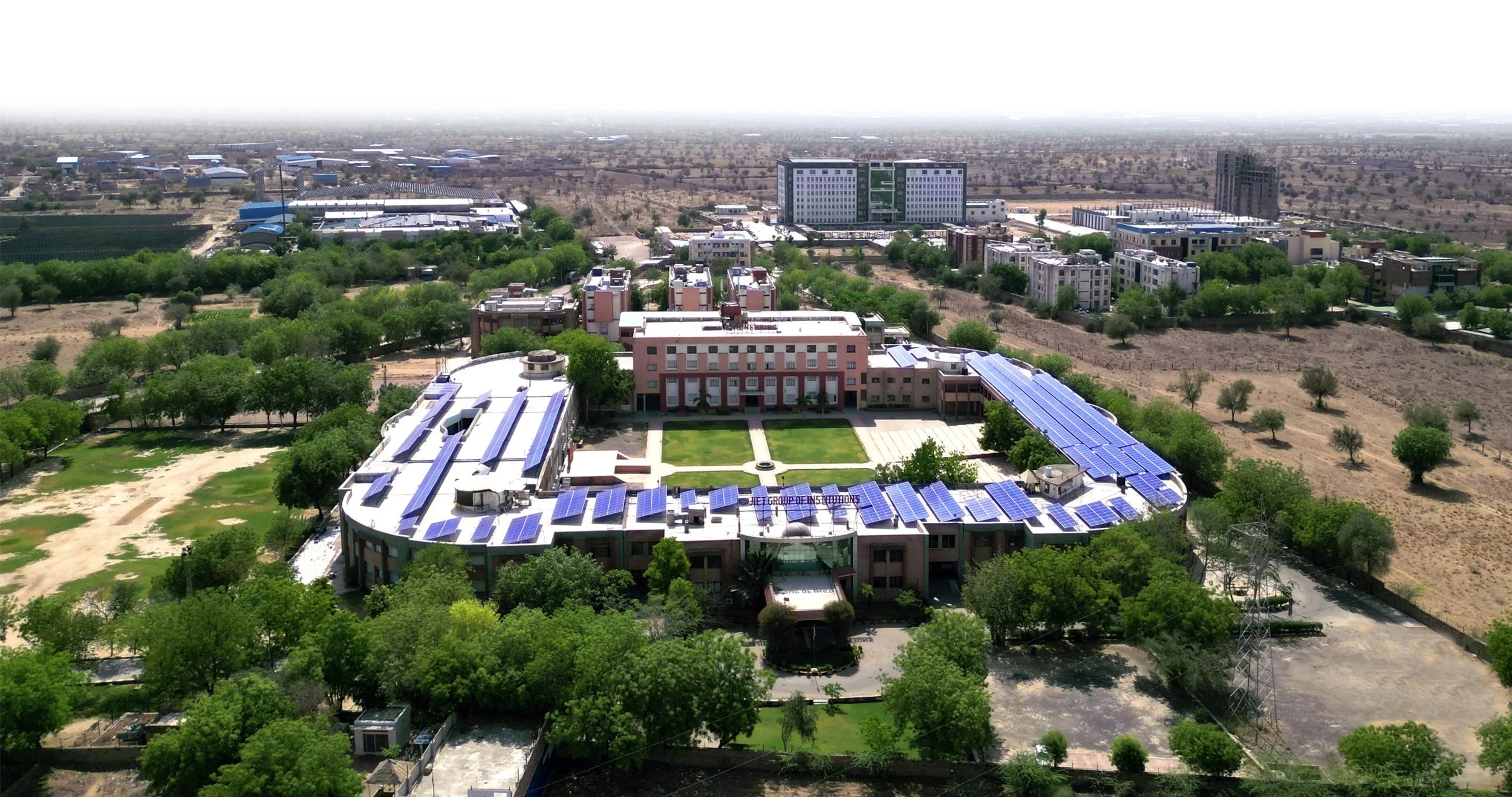
The IT industry is highly skill-oriented, which means your knowledge and capabilities matter more than continuous work experience. With proper planning, you can successfully relaunch your career and grow in one of the most promising industries. Students are increasingly choosing institutions like JIET Universe, recognized as a Best Engineering College in Rajasthan and a Top College in Rajasthan, to build future-ready careers.
Why IT is Ideal for a Career Comeback
The IT sector continues to grow rapidly, driven by advancements in Artificial Intelligence, Data Science, Cloud Computing, and Cybersecurity. Companies are constantly seeking skilled professionals, making it easier for individuals to restart their careers.
Students graduating from institutions recognized as the Best Engineering College in Rajasthan or the Top Colleges for Computer Science Engineering often benefit from strong fundamentals and industry exposure, which also supports career comebacks later in life.

Step 1: Identify Your Career Path
The first step to restarting your IT career after a career gap is identifying your area of interest. IT offers a wide range of career options, such as:
Software Development
Web Development
Data Analytics
Cloud Computing
UI/UX Design
Choose a field based on your previous experience, interests, and market demand. A clear direction will help you focus your efforts effectively.
Step 2: Upgrade Your Skills
Technology evolves quickly, so updating your skills is essential. Enrolling in certification programs or professional courses can significantly improve your employability.
Some in-demand skills include:
Programming languages like Python, Java, and JavaScript
Data Science and Machine Learning
Cloud platforms such as AWS and Azure
Cybersecurity fundamentals
Many Engineering Colleges with Placement in Rajasthan emphasize hands-on training and industry exposure, which helps students and professionals stay job-ready even after a break.
Step 3: Build Practical Experience
In the IT industry, practical knowledge is as important as theoretical understanding. Work on real-world projects to strengthen your portfolio.
Examples include:
Creating a personal website or mobile app
Developing data visualization dashboards
Contributing to open-source projects
Students from the Best College for B.Tech CSE in Rajasthan often gain experience in project-based learning, which gives them an advantage when applying for jobs.
Step 4: Strengthen Your Resume and Online Presence
After a career gap, your resume should focus on your skills, certifications, and project work rather than just work history.
Tips for an effective resume:
Highlight technical skills clearly
Mention certifications and achievements
Include project details with measurable outcomes
Use industry-relevant keywords
Also, maintain an active presence on LinkedIn. Networking with professionals and sharing your learning journey can open up new opportunities.
Step 5: Address the Career Gap Positively
During interviews, you may be asked about your career break. Be honest and confident in your response.
Focus on:
Skills you gained during the gap
Courses or certifications completed
Projects or freelance work done
Employers value candidates who show growth and adaptability. A confident explanation can make a strong impact.
Step 6: Start with Entry-Level Roles
Restarting your IT career after a career gap may require starting with entry-level jobs, internships, or contract roles.
This helps you:
Gain hands-on experience
Understand industry expectations
Build professional confidence
Institutions known as the Best College for Computer Science Engineering in Rajasthan and MCA Colleges with Placement in Rajasthan often provide industry exposure and placement support that can help individuals re-enter the workforce smoothly.
Step 7: Network Actively
Networking is one of the most effective ways to find job opportunities in IT. Many positions are filled through referrals.
You can:
Join professional groups on LinkedIn
Attend webinars and tech events
Participate in hackathons and coding challenges
Connect with alumni and mentors
Strong networking can significantly increase your chances of getting hired.
Step 8: Stay Updated with Latest Trends
The IT field is constantly evolving, so continuous learning is essential. Stay updated with emerging technologies and industry trends.
The growing demand for professionals from the Top College for AI and Data Science in Rajasthan underscores the importance of aligning your skills with future technologies.
Admissions Open 2026–2027
If you are planning to restart your career with a strong academic foundation, now is the right time. Admissions are open for the 2026–2027 session in institutions offering quality education, modern infrastructure, and industry exposure. Choosing the Best Campus in Jodhpur for Higher Education can provide you with the right environment to rebuild your IT career.
Conclusion
Starting a career in IT after a career gap may seem challenging, but it is completely achievable with determination and the right strategy. Focus on upgrading your skills, building a strong portfolio, networking with professionals, and staying consistent in your efforts.
Whether you aim to study at the Best Engineering College in Jodhpur or pursue professional certifications, your success depends on your willingness to learn and adapt. The IT industry offers endless opportunities—your comeback can be your greatest strength.