How AI and IoT Are Changing the Landscape of B.Tech in ECE
The rapid evolution of technology has significantly transformed the field of Electronics and Communication Engineering (ECE). Today, Artificial Intelligence (AI) and the Internet of Things (IoT) are not just emerging trends—they are reshaping the entire academic and career landscape for B.Tech ECE students. As industries move toward automation, smart systems, and data-driven decision-making, integrating AI and IoT into ECE education has become essential. With industries moving toward automation and smart technologies, students are increasingly choosing institutions like JIET Universe, recognized as a Best Engineering College in Rajasthan and a Top College in Rajasthan, to build future-ready careers.
What is AI and IoT?
Artificial Intelligence (AI) refers to the ability of machines to simulate human intelligence. It enables systems to learn from data, recognize patterns, make decisions, and improve over time without human intervention. AI is widely used in applications like voice assistants, recommendation systems, and autonomous vehicles.
The Internet of Things (IoT) refers to a network of interconnected devices that communicate and exchange data through the internet. These devices include sensors, smart appliances, wearable gadgets, and industrial machines. IoT enables real-time monitoring and automated process execution.
When AI and IoT work together, they create intelligent ecosystems capable of making smart decisions with minimal human involvement.
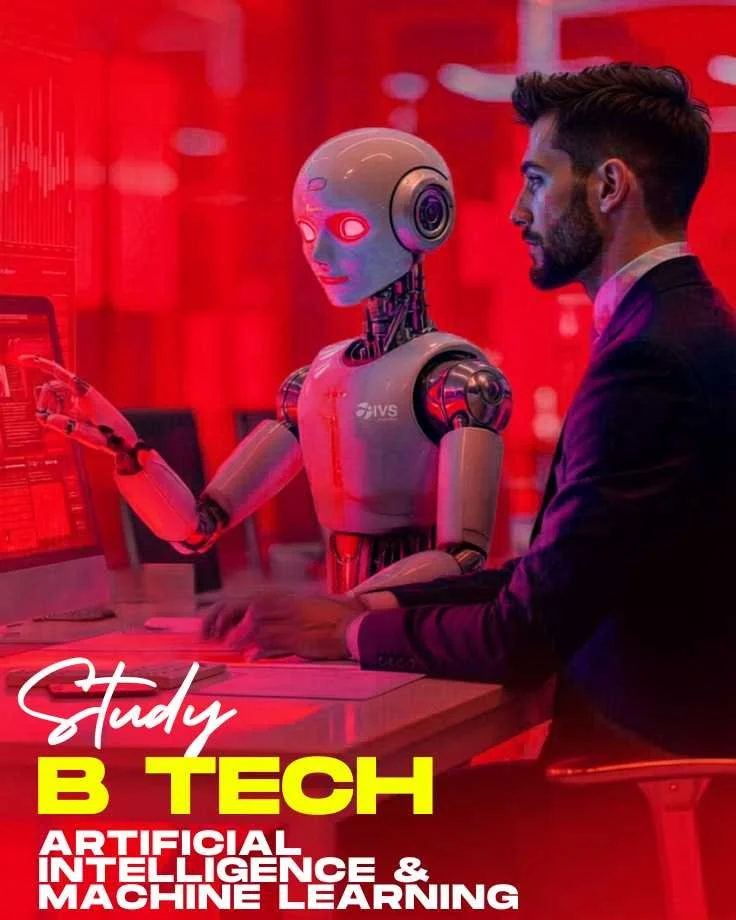
The Rise of AI and IoT in ECE
AI and IoT are revolutionizing how devices communicate, process data, and make decisions. IoT enables interconnected devices to share data in real time, while AI allows these systems to analyze data intelligently and take action. Together, they form the backbone of smart technologies such as smart homes, autonomous vehicles, industrial automation, and healthcare monitoring systems.
For B.Tech ECE students, this means learning beyond traditional subjects like circuits and communication systems. Modern curricula now include AI algorithms, machine learning, embedded systems, and IoT architecture, making students industry-ready.
Key Transformations in B.Tech ECE Curriculum
1. Integration of Interdisciplinary Learning
ECE is no longer limited to electronics and communication alone. Students now learn programming, data analytics, and cloud computing alongside core engineering subjects.
2. Focus on Practical and Hands-on Learning
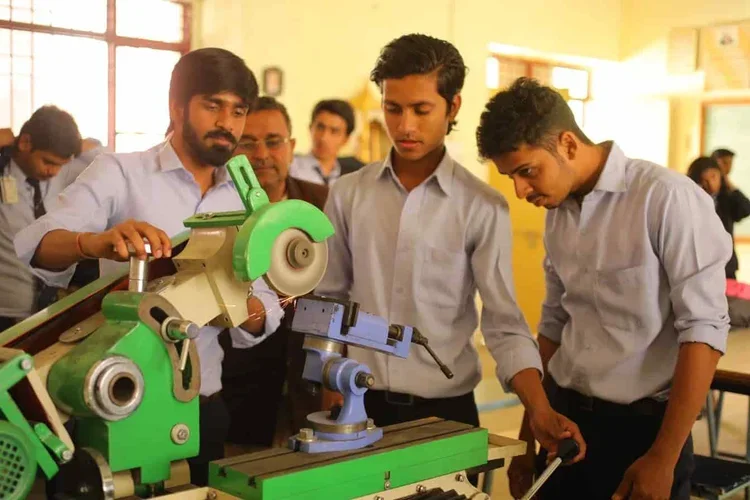
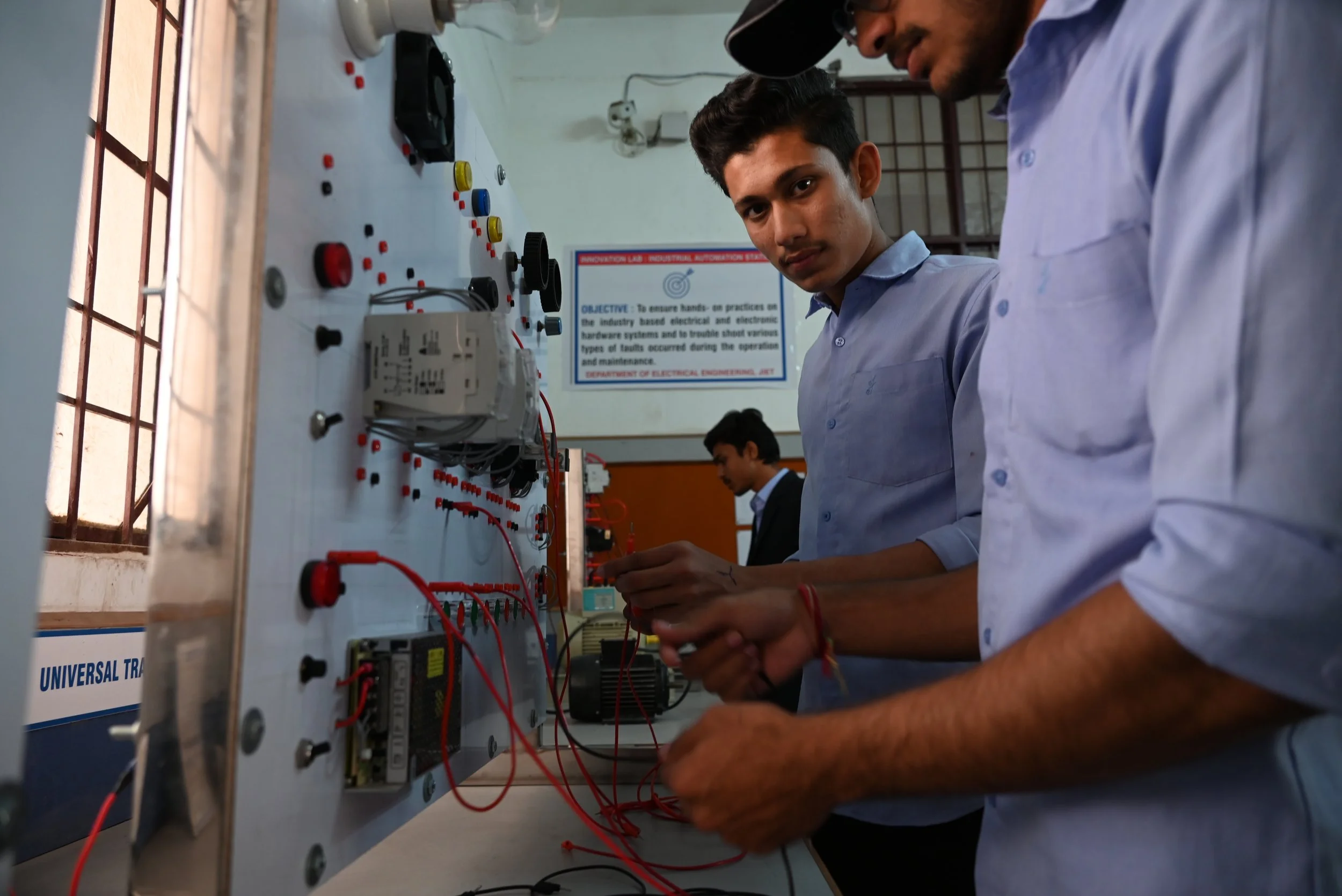
Project-based learning has become essential. Students build real-world applications, including smart sensors, wearable devices, and automation systems.
3. Inclusion of Advanced Technologies
Topics like machine learning, neural networks, IoT protocols, and edge computing are now part of the curriculum to meet industry needs.
Impact on Career Opportunities
The integration of AI and IoT has opened numerous career opportunities for ECE graduates:
AI Engineer
IoT Developer
Embedded Systems Engineer
Data Analyst
Robotics Engineer
Industries like healthcare, telecom, automotive, and smart infrastructure are actively hiring skilled professionals.
How AI is Useful for Placements for B.Tech Students as well as IoT Students
AI plays a crucial role in improving placement opportunities for engineering students. It enhances both technical skills and employability in multiple ways:
1. Skill Enhancement and Industry Readiness
AI tools help students learn coding, data analysis, and problem-solving more efficiently. Platforms powered by AI provide personalized learning paths.
2. Resume Screening and Job Matching
Companies use AI-based recruitment tools to shortlist candidates. Students with AI and IoT skills are more likely to be selected.
3. Interview Preparation
AI-driven mock interviews help students practice and improve communication and technical performance.
4. High Demand in the Job Market
AI and IoT are among the most in-demand skills, increasing chances of high-paying job offers.
5. Better Internship Opportunities
AI platforms suggest internships based on student skills, enhancing real-world exposure.
Role of IoT in Modern Communication Systems
IoT enhances communication systems by enabling seamless connectivity between devices. Technologies such as 5G and cloud computing enable faster, more reliable data exchange.
Understanding IoT protocols such as MQTT and CoAP is essential for students working on smart systems.
AI-Driven Innovations in ECE
AI enables intelligent decision-making in electronic systems, including:
Predictive maintenance
Speech and image recognition
Smart traffic systems
Autonomous vehicles
Importance of Industry Exposure
Hands-on experience through internships, workshops, and live projects is critical for career growth. It bridges the gap between theory and practical implementation.
Future Trends in AI and IoT for ECE
Smart cities powered by IoT
AI-driven healthcare systems
Industrial IoT (IIoT)
Edge computing for real-time processing
These trends highlight the bright future for ECE students.
Admissions Open 2026–2027
Admissions for the academic session 2026–2027 are now open for B.Tech programs in Electronics and Communication Engineering with a focus on AI and IoT. This is the perfect opportunity for aspiring engineers to step into a future-ready career path. Students will gain access to advanced curriculum, hands-on training, industry exposure, and placement support that prepares them for high-demand roles in the tech industry. If you are looking to build a strong foundation in emerging technologies and secure a successful career, now is the time to apply.
Conclusion
AI and IoT are redefining B.Tech in ECE by transforming both education and career opportunities. Students who develop expertise in these technologies will be better prepared for future challenges and opportunities in the engineering domain.