How to Choose the Right Engineering College After JEE Main 2026
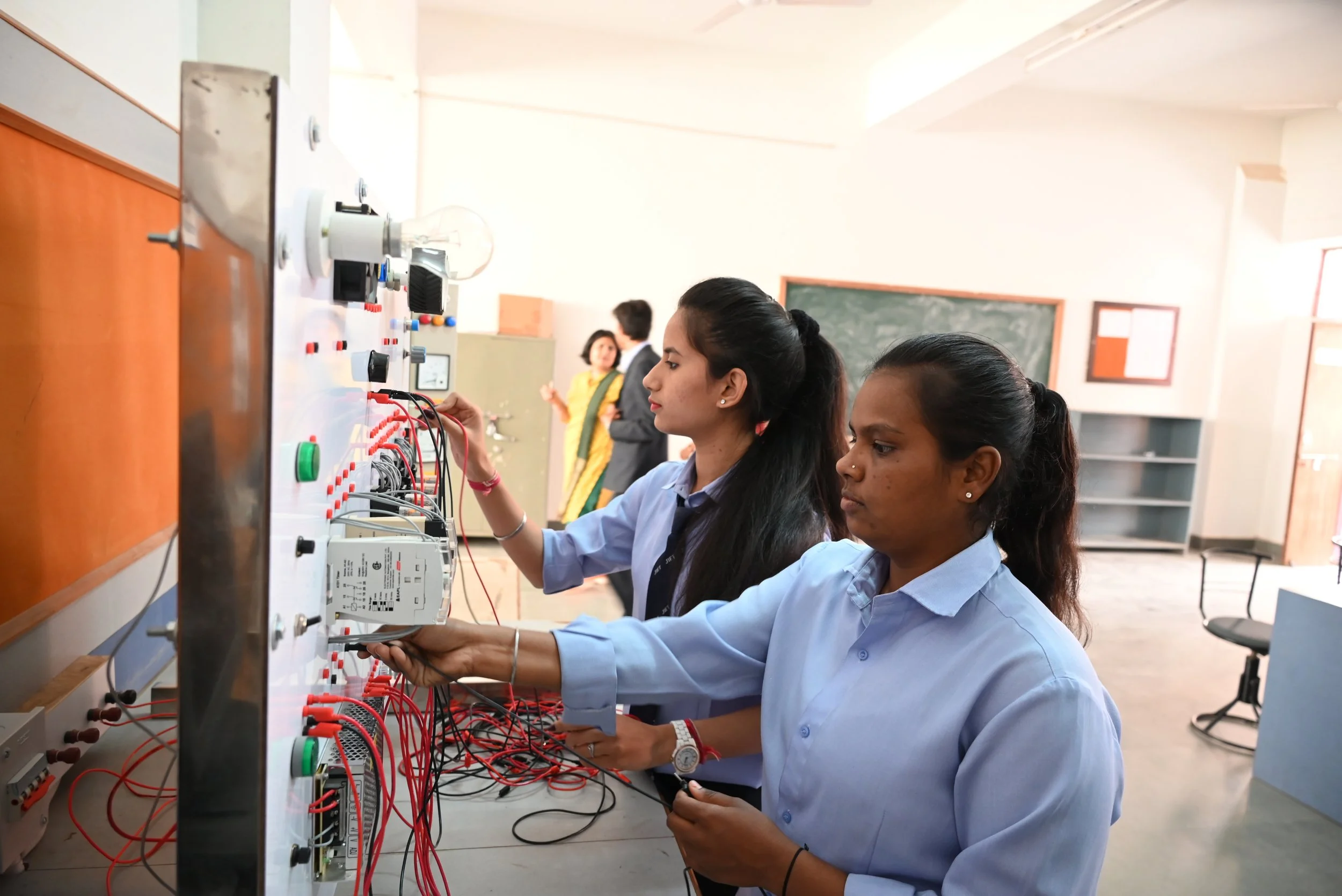
Every year, lakhs of students appear for JEE Main with the dream of pursuing a successful engineering career. However, clearing JEE Main 2026 is only the first step. The next and perhaps most important decision is choosing the right engineering college. With thousands of engineering institutions across India, selecting the best one can be challenging.
A good engineering college does more than provide a degree—it shapes your career, develops your skills, and opens doors to internships, placements, and future opportunities. This guide will help students understand the key factors to consider while choosing the right engineering college after JEE Main 2026.
Why Choosing the Right Engineering College Matters
The college you choose will influence your academic growth, technical knowledge, professional network, and career opportunities. A reputed engineering college provides the following:
Quality education
Industry-focused curriculum
Modern laboratories
Internship opportunities
Strong placement support
Research and innovation exposure
Personality development opportunities
Therefore, students should look beyond rankings and focus on overall value and future career prospects.
1. Check College Accreditation and Recognition
Before applying, verify whether the college is approved by AICTE and accredited by NBA or NAAC.
Accreditation ensures that the institution follows quality standards in education, infrastructure, faculty, and student support. Degrees from accredited colleges are more valued by employers and higher education institutions.
2. Evaluate Placement Records Carefully
Placements are one of the most important factors when selecting an engineering college.
Before finalizing a college, check:
Placement percentage
Highest salary package
Average salary package
Top recruiters
Internship opportunities
Industry tie-ups
A college with strong placement support helps students transition smoothly from academics to professional careers.
3. Look for Future-Oriented Engineering Programs
Technology is evolving rapidly. Students should prefer colleges that offer both traditional and emerging engineering specializations.
Popular branches in 2026 include:
Data Science Engineering
Electronics and Communication Engineering
Internet of Things (IoT)
Robotics and Automation
Choosing a future-ready specialization can significantly improve career opportunities.
4. Analyze Faculty Quality
Faculty members play a crucial role in shaping a student's academic journey.
Look for colleges where the faculty:
Hold PhD qualifications
Have research publications
Possess industry experience
Participate in innovation projects
Mentor students for competitions and startups
Experienced faculty provide practical insights that go beyond classroom learning.
5. Examine Infrastructure and Learning Facilities
A modern engineering college should offer state-of-the-art infrastructure.
Important facilities include:
Smart classrooms
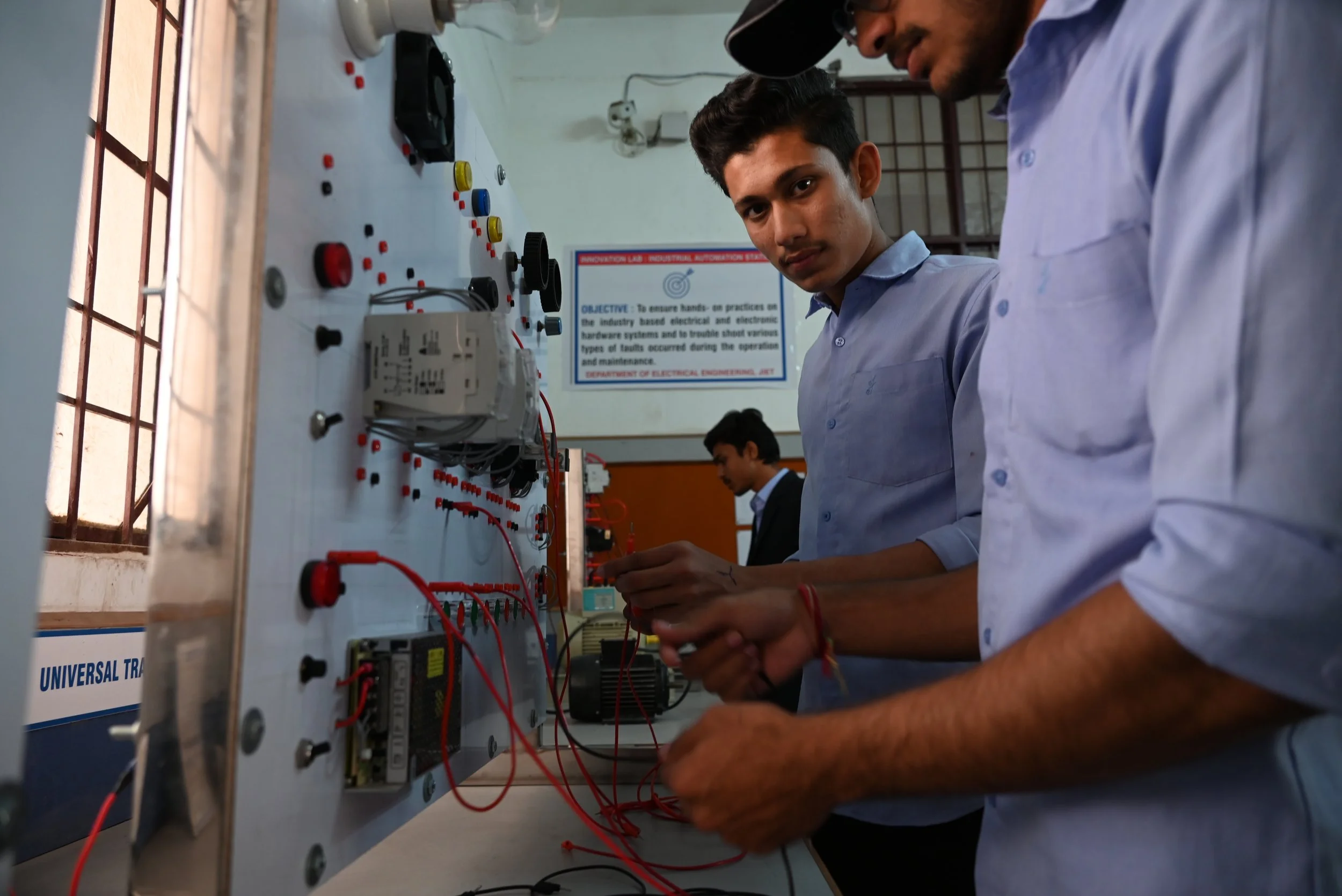
Advanced laboratories
Research centers
Digital libraries
Innovation and incubation centers
Hostel facilities
Sports and recreational facilities
Strong infrastructure creates a productive learning environment and supports practical education.
6. Focus on Industry Exposure
Today's employers seek graduates with practical skills and industry knowledge.
Choose colleges that offer:
Industrial visits
Live projects
Internship programs
Industry certifications
Expert guest lectures
Startup incubation support
Industry exposure helps students gain real-world experience before graduation.
7. Check Campus Life and Student Development Opportunities
Engineering education is not only about academics. The right college should also encourage holistic development through:
Technical clubs
Coding competitions
Hackathons
Entrepreneurship cells
Cultural festivals
Leadership programs
Community engagement activities
These experiences help students develop communication, teamwork, and leadership skills.
8. Review Alumni Success Stories
A strong alumni network indicates the quality and reputation of a college.
Research where alumni are currently working. Successful alumni employed in leading multinational companies, startups, research organizations, and government sectors reflect the institution's ability to prepare students for diverse career paths.
9. Consider Location and Connectivity
The location of the college also plays an important role.
Engineering colleges located in educational and industrial hubs often provide better:
Internship opportunities
Industry interactions
Placement opportunities
Networking exposure
Students should also evaluate transportation, safety, and overall accessibility.
Why JIET Universe is a Preferred Choice for Engineering Aspirants
Among the leading institutions in Rajasthan, JIET Universe has established itself as a destination for quality engineering education.
Key highlights include:
Industry-integrated curriculum
Modern laboratories and infrastructure
Highly qualified faculty
Strong industry collaborations
Excellent placement assistance
Innovation and entrepreneurship ecosystem
Skill development and certification programs
Focus on emerging technologies such as AI, Data Science, Cyber Security, and IoT
The institution emphasizes practical learning and career readiness, helping students become future-ready professionals.
Admissions Open for 2026–27
Students who have appeared for JEE Main 2026 should start exploring colleges and admission opportunities as early as possible. Early planning helps students make informed decisions during counseling and seat allotment rounds.
Admissions for the academic session 2026–27 are now open. Students are encouraged to secure their seats in their preferred engineering programs and begin building a successful future.
Conclusion
Choosing the right engineering college after JEE Main 2026 is one of the most important decisions in a student's life. Instead of focusing only on rankings, students should carefully evaluate accreditation, placements, faculty, infrastructure, industry exposure, specialization options, and overall campus environment.
A well-chosen engineering college not only provides a degree but also prepares students for successful careers in a rapidly evolving technological world. Invest time in research, compare institutions carefully, and select a college that aligns with your career aspirations and long-term goals.
Frequently Asked Questions (FAQs)
1. What factors should I consider while choosing an engineering college after JEE Main 2026?
You should consider accreditation, placement records, faculty quality, infrastructure, industry exposure, specializations offered, internship opportunities, and campus facilities.
2. Is the placement record important while selecting an engineering college?
Yes. Placement records provide insights into the career opportunities, recruiter network, and industry reputation of the institution.
3. Which engineering branches have the best career scope in 2026?
Computer Science Engineering, Artificial Intelligence, Data Science, Cyber Security, IoT, Robotics, Electronics and Communication Engineering, and Mechanical Engineering are among the top choices.
4. How can I verify whether an engineering college is recognized?
You can check AICTE approval, NBA accreditation, and NAAC ratings on the official websites of the respective organizations.
5. Why is industry exposure important in engineering education?
Industry exposure helps students gain practical skills, work on live projects, secure internships, and improve employability after graduation.
6. Can I get admission to engineering colleges through JEE Main 2026?
Yes. Many top engineering colleges in India and Rajasthan accept JEE Main 2026 scores for admission through counseling processes such as REAP and institute-level admissions.
7. Why is JIET Universe a good choice for engineering students?
JIET Universe offers industry-focused education, experienced faculty, excellent infrastructure, emerging technology programs, strong placements, and comprehensive student development opportunities.